
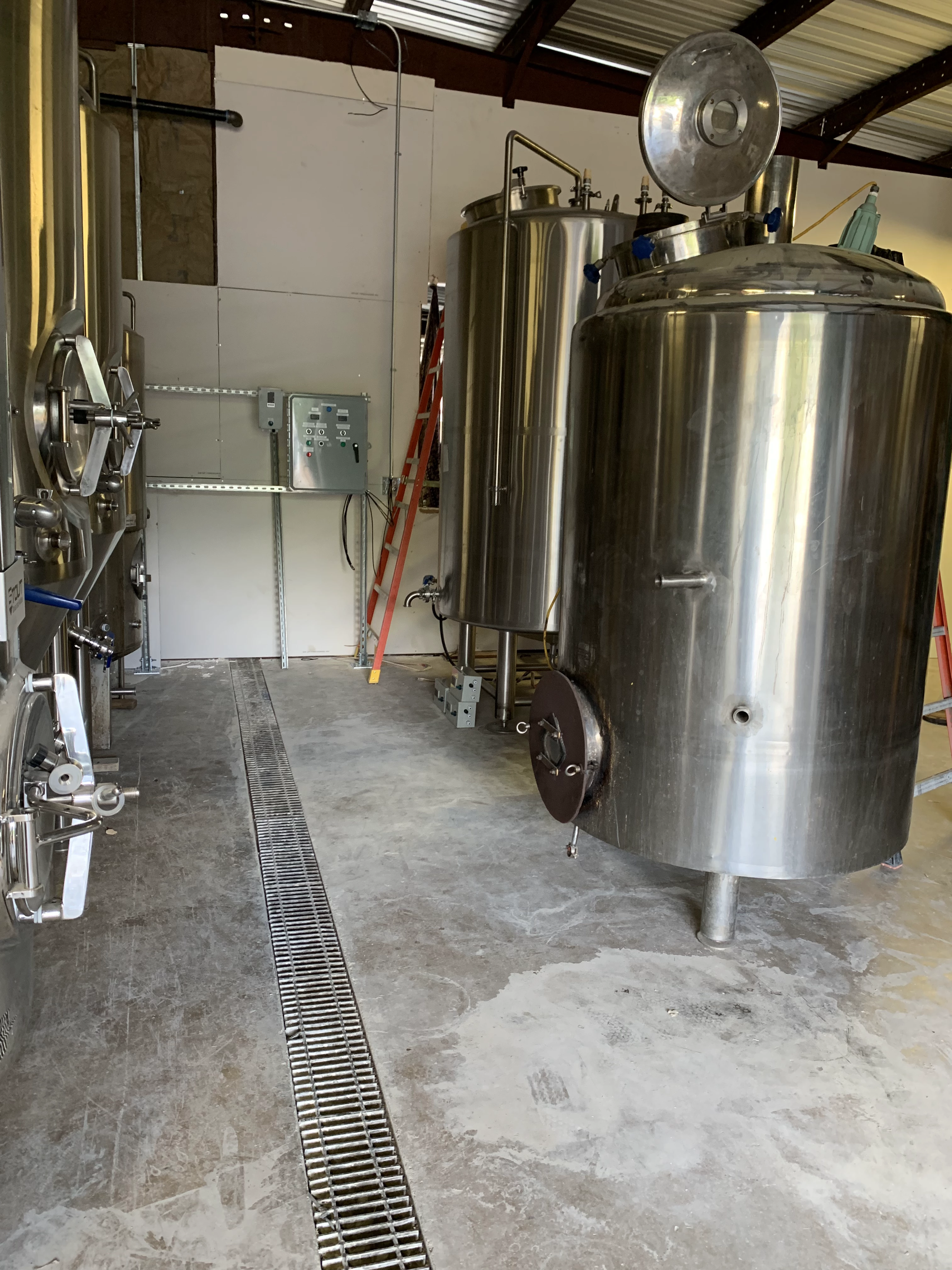
As a beverage manufacturers automation consultant, Solon scopes controls the way ISA practice intends: instrument list first, platform argument last. Beverage facility automation consulting should help the owner make practical decisions about controls, instrumentation, operator workflow, data, alarms, commissioning, and long-term support. The work is not only PLC programming. It is the link between the process, the people running it, and the equipment that has to respond every day.
What a Beverage Manufacturers Automation Consultant Does
The right consultant can reduce downtime, improve batch consistency, simplify troubleshooting, and help the team avoid buying automation that does not match the process. The wrong scope can create a beautiful control panel that operators do not trust.
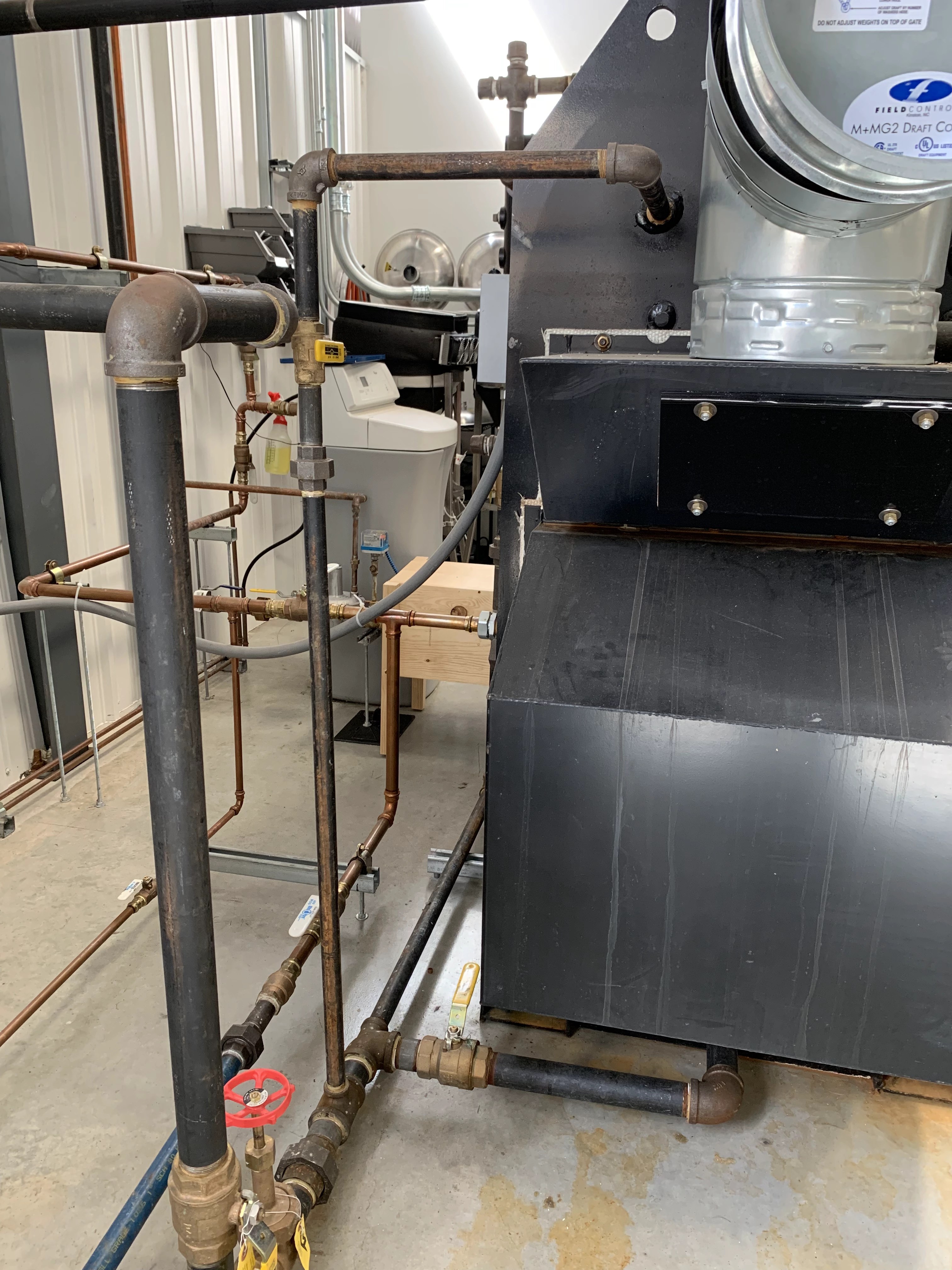
Start With The Process, Then The PLC
Controls work should begin with the process sequence. What should start, stop, alarm, interlock, trend, and require operator confirmation? If that logic is not clear, the software will inherit confusion from the process.
- Map process steps before programming starts
- Confirm instruments, valves, motors, and safety devices
- Define alarm priority, operator screens, and manual modes
- Plan commissioning, training, and post-startup support
What To Evaluate Before You Hire
Scope
Can they define I/O, sequence, HMI, alarms, panels, networking, and handoff?
Proof
Can they show beverage or process work, not only generic machine controls?
Support
Can they commission, train, document, and support the plant after startup?
Automation scope should be visible before a quote is accepted. Ask what hardware is included, what software platform is assumed, how revisions are handled, who owns source code, how backups are stored, and how the system will be supported when production is live.
Discovery Questions That Prevent Bad Scope
A consultant should ask detailed questions before writing a final scope. The questions reveal whether the project is ready for programming or still needs process definition, instrumentation review, panel design, or operational alignment.
Process
- What product paths need automation?
- Which steps are manual today?
- Where do batches fail, slow down, or require rework?
Hardware
- What PLC, HMI, network, and panel standards already exist?
- Which instruments need calibration or replacement?
- Where is spare I/O needed?
People
- Who will own recipes, setpoints, and alarm changes?
- Who needs training before startup?
- Who responds when production is down?
Automation Consulting Scope Matrix
| Scope Area | What The Consultant Should Clarify | Owner Risk Reduced |
|---|---|---|
| Process sequence | Start, stop, permissives, interlocks, recipes, manual modes, and abnormal states | Operators do not have to guess how the system should behave. |
| I/O and instrumentation | Sensors, valves, motors, VFDs, panels, network, calibration, and spare capacity | The controls budget reflects the real process. |
| HMI and alarms | Screens, trends, alarm priority, acknowledgement, setpoints, and user access | Operators get useful information instead of noise. |
| Data and records | Batch data, timestamps, reports, audit needs, historian tags, and export format | Management can investigate issues and compare performance. |
| Commissioning | Factory checks, field checks, dry runs, wet runs, punch list, and training | Startup risk is managed before production pressure peaks. |
Deliverables That Make The Project Buildable
One of the easiest ways to compare automation consultants is to ask what documents will exist at handoff. A quote that only names hardware and programming hours can hide gaps that surface during panel build, field wiring, startup, or the first production outage.
| Deliverable | What It Should Include | Why It Matters |
|---|---|---|
| Control narrative | Operating sequence, interlocks, alarms, permissives, manual modes, and abnormal states | Everyone can review behavior before code is written. |
| I/O list | Instrument, valve, motor, signal type, panel location, tag naming, and spare capacity | Panel, wiring, programming, and commissioning teams share one source. |
| HMI outline | Screen hierarchy, operator tasks, alarm visibility, trend needs, setpoints, and access levels | The interface supports actual plant work. |
| Commissioning plan | Dry checks, wet checks, acceptance criteria, owner training, punch-list process, and backups | Startup has a controlled path instead of a last-minute scramble. |
Those documents do not need to be overbuilt for a small project, but they do need to be clear enough for the plant to maintain the system after the integrator leaves.
When Automation Should Wait
Automation is not always the first fix. If the process is poorly defined, the piping is wrong, the instrumentation is missing, or operators do not agree on the target sequence, programming can lock in the wrong behavior. A good consultant should be willing to slow the project down when the foundation is not ready.
That does not mean delaying progress indefinitely. It means separating prerequisite work from automation work. The team may need a process walkdown, valve and instrument audit, updated P&IDs, network review, or a short manual operating trial before the final control narrative is approved.
This discipline protects capital. It also protects operators from being handed a screen that looks finished but does not match what happens on the floor.
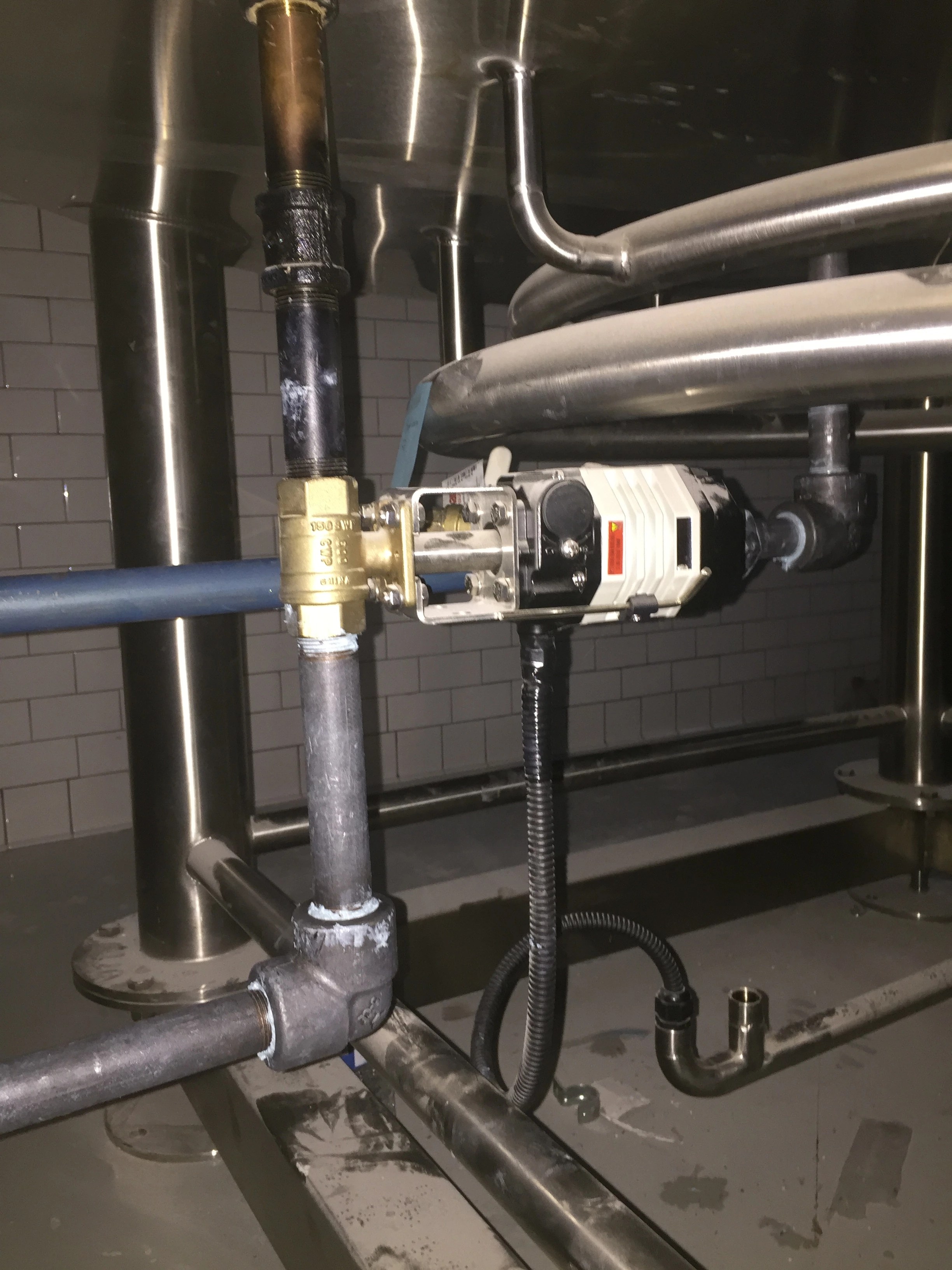
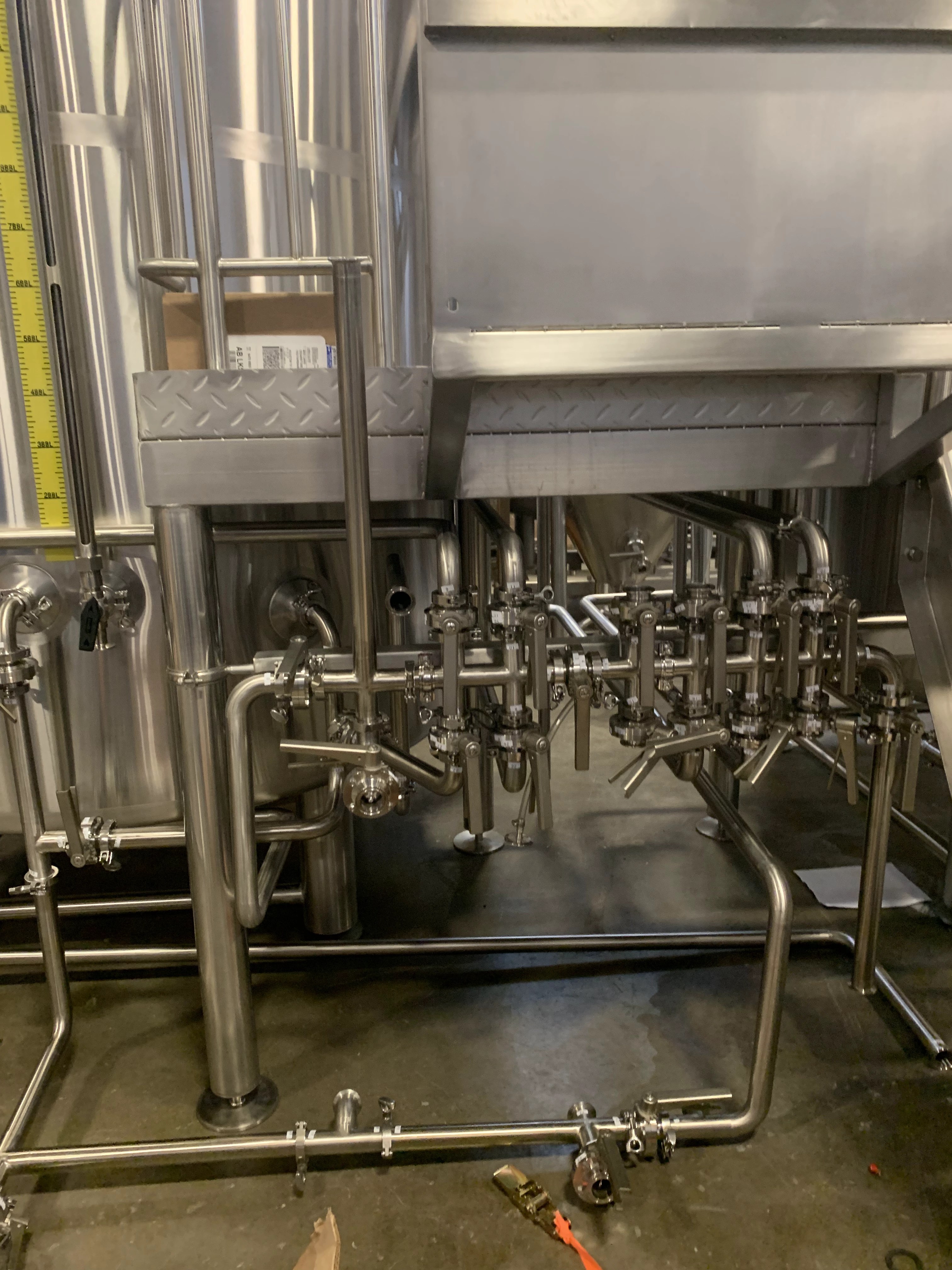
Signs The Consultant Understands Beverage Manufacturing
They Ask About Cleaning
CIP steps, chemical feeds, conductivity, temperature, flow, drain timing, and records should be part of the control conversation.
They Ask About Operators
The HMI should match the way production staff actually run batches, recover from faults, and learn the system.
They Ask About Handoff
Backups, drawings, source code, training, spare parts, and support response need clear ownership before go-live.
Avoid These Scope Gaps
Automation Proposal Red Flags
- No written control narrative or sequence of operations
- No clear ownership of drawings, backups, and source code
- No defined commissioning plan or training package
- No allowance for operator feedback before final HMI screens
- No spare I/O or future expansion discussion
- No support plan for production emergencies after startup
The best automation consultant designs for the people who have to run the plant after everyone else leaves.
Frequently Asked Questions
When should I hire an automation consultant?
Hire before equipment orders and panel scope are final. Early involvement helps define I/O, controls architecture, utility needs, process sequence, and commissioning responsibilities before change orders become expensive.
What should be included in an automation proposal?
At minimum, review control narrative, I/O list, panel scope, software platform, HMI scope, alarms, data needs, commissioning plan, training, documentation, source-code ownership, and support expectations. In plants with food-safety plans, food processing automation must also keep CCP records.
Can automation improve beverage quality?
Yes, when it controls the right variables. Temperature, timing, flow, pressure, dosing, cleaning steps, alarms, and batch records can all affect consistency. Automation should support a defined process standard. Spirits plants apply the same standard in distillery controls work.
Need Automation Scope You Can Trust?
Poorly integrated controls delay your startup. We build and program control panels, supply engineered systems, and write the PLC code for plants across the United States and abroad. Send us an inquiry; we’ll have an engineer reply by email, usually within one business day.