
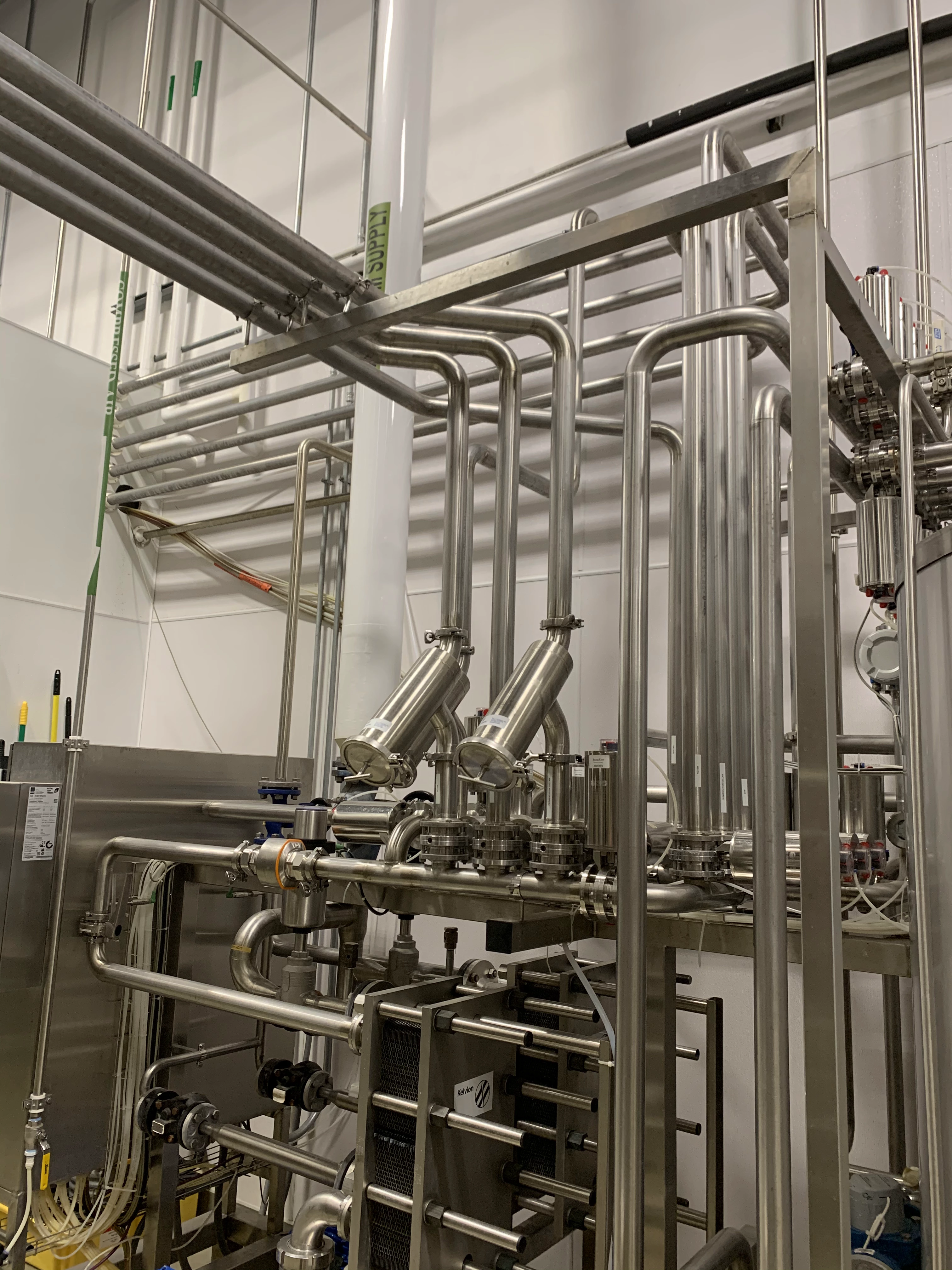
An automation project approved on a labor-savings estimate leaves you with numbers you can’t check after startup. The return is only real when the model ties the automation scope to a measured baseline in labor, yield, uptime and utilities. Calculating beverage manufacturing automation ROI means proving that baseline before you buy the equipment.
Measuring Beverage Manufacturing Automation ROI
The best automation projects start with a measurable operating problem. If the plant cannot explain the current baseline, the ROI estimate will be built on hope. If the baseline is known, automation decisions become much easier to prioritize.

ROI Starts With The Bottleneck
A new control panel, PLC program, HMI screen, instrument package, or reporting layer should be tied to a known constraint. That constraint may be labor, speed, downtime, product loss, water usage, cleaning time, batch variation, or weak traceability.
- Define the process area and current performance baseline
- Quantify lost time, labor, rework, product loss, and utility consumption
- Estimate automation cost, commissioning time, training, and maintenance
- Measure the result after startup instead of declaring success at installation
The Automation ROI Equation
At a simple level, payback compares annual benefit against total installed cost. The calculation becomes more useful when the benefit side is broken into categories that can be verified by production records.
labor + throughput + yield + utilities + risk reduction
hardware + programming + integration + downtime + training
payback, cash impact, and operating risk change
This is a planning model, not a guarantee. It should be reviewed against actual production data, project scope, commissioning risk, maintenance skill, and business priorities before capital is approved.
How To Build The Calculation
A useful automation ROI calculation is built in layers. Start with what the plant can measure today, then add the effect the automation is expected to create. Keep the assumptions visible so finance, operations, maintenance, and production can challenge the model before the project starts. The same layers apply to food and beverage automation ROI and to automation ROI for manufacturers in other sectors, because each rests on a measured baseline.
| Step | Question | Output |
|---|---|---|
| 1. Baseline | What does the process cost now in labor, loss, downtime, utilities, and rework? | Current annual cost and operating pain |
| 2. Scope | Which equipment, controls, instruments, software, and operator tasks will change? | Project boundary and excluded work |
| 3. Benefit | Which measurable costs should drop or which capacity should increase? | Annual benefit range with assumptions |
| 4. Installed cost | What will the full project cost after hardware, programming, integration, shutdown, and training? | Total capital and implementation cost |
| 5. Validation | How will the team prove the result after startup? | Post-project measurement plan |
The validation step matters. Without it, ROI turns into a sales story. With it, the plant can compare the new process against the old baseline and decide what to improve next.
Where Automation Pays Off Fastest
Automation tends to pay back faster when it addresses a frequent, measurable pain point. The first target is rarely “automate everything.” The first target is the process area where control, repeatability, labor, or downtime is costing the plant every week.
| Automation Area | ROI Driver | Evidence To Collect |
|---|---|---|
| CIP and sanitation | Reduced cycle variation, chemical use, water use, rework, and missed steps | CIP logs, water meter data, chemical usage, conductivity, temperature, and operator interventions |
| Cellar or batching controls | Improved repeatability, fewer manual checks, fewer missed transfers, and better scheduling | Batch records, transfer times, tank turns, deviation logs, and labor hours |
| Packaging line controls | Higher uptime, fewer jams, better fill consistency, and faster troubleshooting | OEE, downtime reasons, reject counts, changeover time, giveaway, and maintenance history |
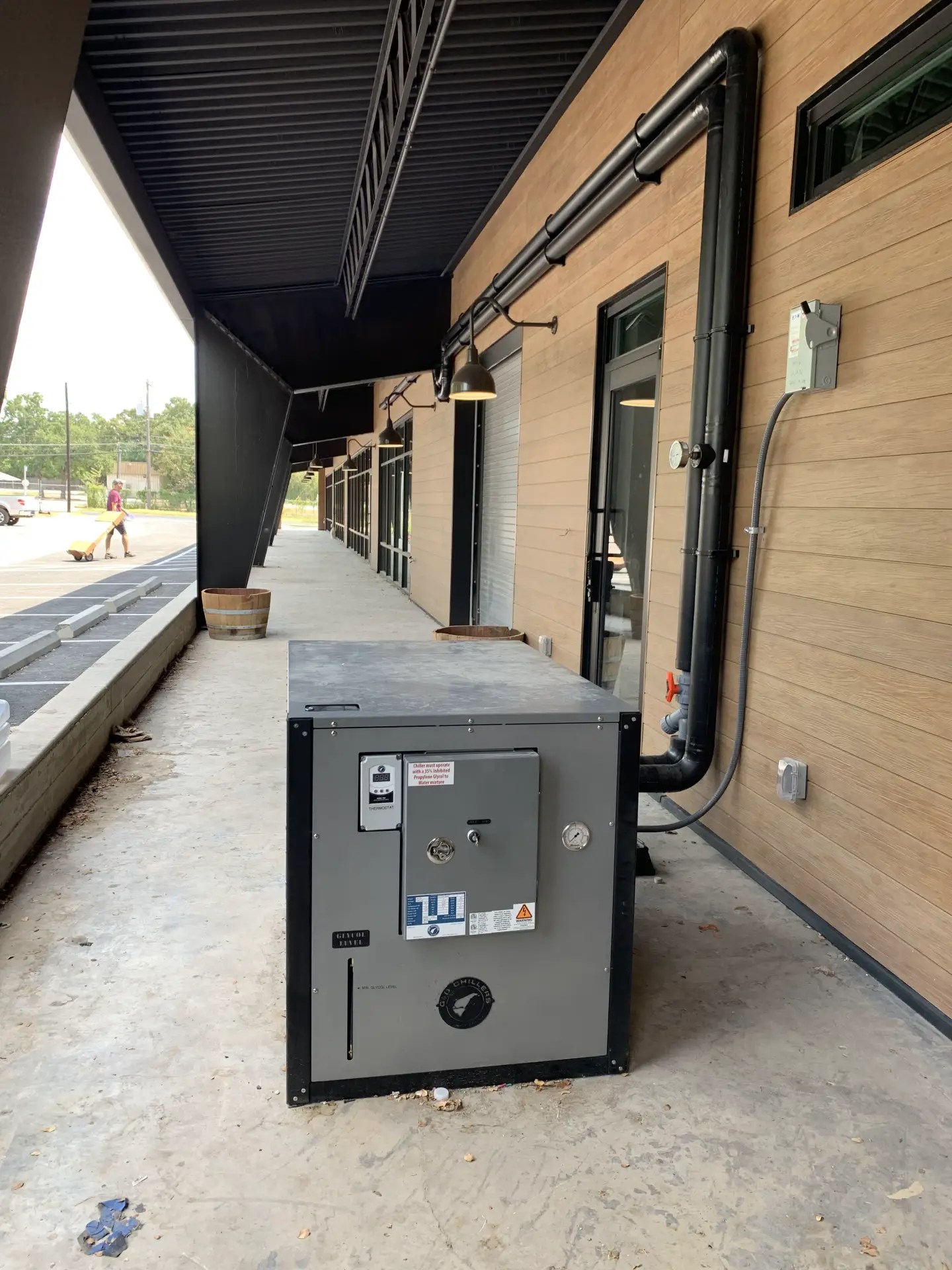
| Utilities and refrigeration | Energy reduction, steadier process temperatures, alarm response, and load management | Utility bills, compressor runtime, temperature trends, alarm logs, and product quality data |
| Reporting and traceability | Less manual recordkeeping, faster issue investigation, and better recall readiness | Operator logs, audit findings, batch genealogy, manual entry time, and corrective actions |
A useful assessment should rank opportunities by payback, project complexity, shutdown risk, and operator adoption. A smaller automation project that staff will trust may beat a large project with unclear ownership.
Do First
Automate repeated manual tasks with good instrumentation, clear operator ownership, and direct ties to downtime, loss, or labor strain.
Do Later
Delay automation where the process is still changing, staff roles are unclear, or the plant has not agreed on the measurement baseline.
Do Not Do
Avoid automating around broken process flow, missing valves or sensors, weak maintenance access, or a batch record system nobody trusts.

The Four ROI Categories To Model
Labor And Time
Count setup, checks, manual valve moves, data entry, cleaning steps, changeover time, and troubleshooting time.
Yield And Quality
Track product loss, oxygen pickup, temperature drift, batching mistakes, reject rates, rework, and inconsistent release results.
Utilities And Materials
Measure water, steam, glycol, compressed air, electricity, chemicals, ingredients, packaging waste, and cleaning frequency.
Risk And Records
Estimate the value of fewer missed steps, better alarms, cleaner batch records, faster investigation, and improved training.
Common Mistakes That Distort ROI
ROI Model Red Flags
- Counting all labor reduction as cash savings when staff will be reassigned
- Ignoring shutdown time, training, validation, spare parts, and maintenance
- Using average production days when the pain happens during peak production
- Buying automation before fixing process layout or instrumentation gaps
- Assuming operators will trust a system they were not trained to use
- Declaring ROI before comparing post-startup data to the baseline
The strongest automation ROI case is the one operators can measure after the project is running.
Build The Assessment Before The Scope
Before requesting quotes, define what should change in the operation. A useful assessment reviews the current process, operator tasks, instrumentation, controls, downtime data, quality history, utility usage, and production goals. Then it separates quick wins from capital projects.
For beverage plants, automation work often connects to automation and controls engineering, industrial automation consulting, process engineering, and manufacturing consulting. The ROI model should reflect the process, not only the control panel.
Teams that want a quick starting point can use the ROI analyzer to frame assumptions, then refine the model with actual plant data and project scope.
Frequently Asked Questions
What is a good payback period for beverage automation?
It depends on capital cost, production volume, downtime, labor impact, quality risk, and business goals. Many teams compare simple payback, cash flow, and risk reduction rather than relying on one number.
What data do I need before calculating automation ROI?
Start with labor hours, downtime, batch records, utility use, product loss, reject rates, maintenance events, production volume, changeover time, and the expected total installed cost of the automation project.
Should automation come before process changes?
Not always. If the process layout, instrumentation, valve logic, or operator workflow is wrong, automation can preserve the wrong behavior. Fix the process definition first, then automate the right sequence.
Need A Real Automation ROI Assessment?
Solon Consulting helps beverage manufacturers evaluate automation scope, control strategy, process fit, operator workflow, commissioning needs, and measurable ROI before capital is committed.