
Solon Consulting
Beverage manufacturing consultant
Planning a new beverage line, expanding what you have, or trying to get more from the one already running?
We design the process, supply equipment and program controls for alcoholic and non-alcoholic drinks.
Beverage manufacturing consultants should be able to say what limits a line before you buy more equipment. We check the process, the equipment and the controls together, the same approach our brewery consultants use for brewhouses and cellars.

What will a beverage manufacturing consultant check on your line?
The canning line can have the right rated speed and still leave you short at the end of a shift. Cleaning that runs late and stops between machines eat into the time you’ve got. We’ll examine the piping and control sequences between the filler, seamer, pasteurizer and CIP skid. Low cleaning return flow or pasteurization readings that drift may mean longer cleaning cycles or product held for checks. We’ll check pressure-control response and valve timing against your filler records, then specify equipment and programming changes for planned downtime. If the production schedule also needs attention, we can help plan the day-to-day work. You’ll have the original records to compare with the line’s output after a change.
Why does the filler stop before cans reach the seamer?
Cans leave the filler, then back up before the seamer can take them. We’ll check sensor signals and servo timing between the two machines, then specify equipment or programming changes using the conditions recorded during your production runs.
Why is CIP cleaning running into the next shift?
Cleaning’s still running when the next batch should be starting. We’ll recalculate what the supply and return pipes need to carry, then revise the pump specification or cleaning sequence for the agreed flow and pressure. A CIP system audit can help you gather the cleaning records first.
Why are the pasteurizer’s PU readings missing the target?
Your pasteurizer’s record should show when pasteurization units, or PU, miss the target for the drink you’re making. We’ll review steam valves, condensate traps and temperature probe locations as part of the equipment and controls assessment. Those readings help us decide what to specify or reprogram.
Does the blending skid match your Brix and carbonation targets?
You’ve changed the recipe, and the blending skid may still be running on the old settings. Check instrument calibration alongside the Brix and carbonation readings for this batch. We’ll retune the control program for the new targets, taking account of instrument range and what the equipment can do.
What equipment and controls need to change when you rebuild a line?
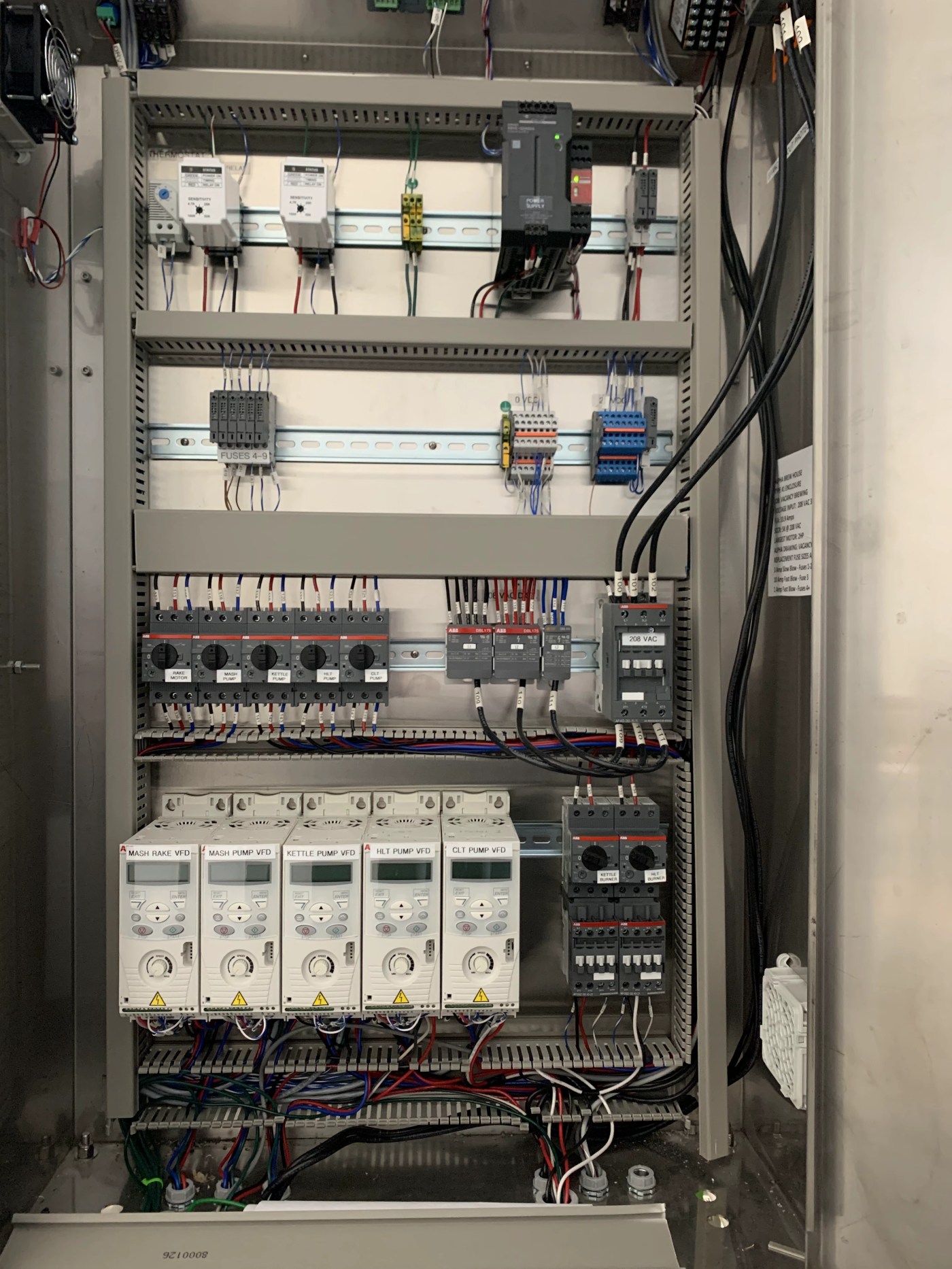
A new filler still has to work with the tanks, pipes and controls you’ve already got. We’ll design the process and the space around it, supply the equipment, and program the PLCs, HMI screens and control panels. Tell us what you want the rebuilt line to produce and what you’ve got now. We’ll include PLC and HMI integration in the same plan, so the machines and controls are specified for the same job. We also help during installation and commission the equipment, with the checks and responsibilities agreed before work starts.
Where will product and water go? Flow diagrams, P&IDs and balances
Where does product, water or energy leave your line, and how much? We’ll map the mass and energy balances. Flow diagrams, P&IDs and process calculations show the flow rates and connections needed for equipment selection. If you’re planning the whole space, our beverage plant design guide covers that wider job.
What should your PLCs, HMI screens and control panels do?
Your operators need screens and controls that follow the way they run a batch. We’ll write the PLC and HMI programs around that sequence. The control descriptions set out how equipment should respond, including loop tuning, alarms and recipe handling. We also build and program the control panels. Our automation project scope checklist helps you describe the job before asking for a quote.
How will new, used or refurbished equipment fit your existing line?
You’ve found another machine, and it needs to work with what’s already on the floor. We specify and sell new packages, used and refurbished equipment, and engineered systems. We’ll program the controls, agree equipment requirements with suppliers, and help with installation and commissioning as part of the agreed job. Our equipment procurement checklist helps you prepare the details suppliers need before you order.
What pipes, pumps and heat exchangers does your CIP system need?
Your cleaning cycle needs enough flow and heat through both the supply and return pipes. We’ll size pumps and heat exchangers for the required flow and temperature, then write the cleaning sequence around the chemical concentration targets. CIP system design also needs to account for how much water you’ve got and the time available before production starts again.

process
What happens between your first call and commissioning the line?
Whether you’re building a new line or improving the one you have, we’ll agree what needs doing and when the line can be made available. Start by telling us what you need to produce and where you are today; throughput records and a downtime log help if you have them. We’ll put the work into a scope, then prepare a concept design with flow diagrams and capital estimates for the options you’re considering. Once you’ve picked an approach, we’ll prepare P&IDs, control sequences, instrument lists and equipment specifications for purchasing and contractor work. During purchasing and construction, we check supplier drawings and answer questions from the people doing the work. Our commissioning and startup services include agreed loop, sequence and interlock checks when the line’s available. You’ll know what you’ll receive at each stage, who’s responsible and how the work fits around production.
Start with what you’re making and what the line needs to do
Tell us the products, the output you need and where the project stands. If the line is already running, add what you’re seeing and any records you have, and tell us which problem keeps coming back. We’ll use your brief to agree the process or controls work, name the equipment involved and describe the outcome you want from us.
Compare process flow options and equipment budgets before buying
You’re about to commit money to equipment, so compare the process flow options first. We’ll put a block flow diagram beside the capital estimate and schedule assumptions for each approach. That gives you a way to weigh the purchase against your production dates and the work still to do.
Give contractors P&IDs, control sequences and equipment specifications
Your contractors and equipment suppliers need enough detail to price the job. We’ll prepare P&IDs, control sequences, instrument lists and equipment specifications for bids and purchasing. Those documents describe the production requirements you’ve agreed with us, so suppliers can quote against the same equipment needs.
Check supplier drawings and answer questions during construction
The supplier’s drawing may show different connections from the ones in your design. We’ll review those drawings and answer your contractors’ questions against the process specification. That identifies the design information they need to buy equipment and carry out construction before the commissioning checks begin.
Agree loop checks, sequences and performance runs before commissioning
You’ll need time on the line for commissioning, and we’ll agree the loop checks, sequence checks and performance runs before that window. We’ll work from the specified equipment requirements and the access your team can give us. The results leave you a record to compare with the line performance you agreed.
Before you book the work
What will the line assessment cost, and when can we do it?
You’ve still got orders to fill while someone checks the equipment. These answers explain how an assessment can fit around cleaning, what goes into a quote and how your existing suppliers stay involved. When you’re comparing beverage manufacturing consultants, ask what you’ll receive and when they’ll need access to the line. We cover assessments, equipment specification and sales, installation assistance and commissioning. If you’ve got a question about your filler, CIP skid or another part of the line, send the equipment details, what’s happening and the dates you need to keep producing. We’ll use that to discuss your job.
You can send us the production records while the line’s still running. We’ll review throughput data, control trends and downtime logs to agree what needs checking. Piping or instrument checks may need physical access; we’ll plan those around the cleaning cycles and changeovers you’ve told us about. Agree that access before booking the assessment.
Tell us what you want to change, from a filler assessment to a full line design. We’ll look at your production data and equipment details, then set out what you’ll receive and when. You’ll get the price and commercial terms in the proposal before you commit. Include the equipment budget, purchasing and commissioning work that may affect the job, plus the dates you need to keep producing.
Yes, your existing suppliers and contractors can stay involved. We’ll write equipment specifications and help with purchasing and commissioning, with each team’s technical responsibilities agreed in advance. Send the drawings or questions they’re waiting on. We’ll identify the design information they need for their work and the checks to schedule when the equipment’s ready to run.
Yes, you can buy the equipment and have us program it as part of the same order. We sell new packages, used and refurbished equipment, and engineered systems, and we build and program automation and control panels. We’ll specify it for the process you need, including the controls for your beverage line.
Tell us what your line needs to do, and when
Tell us what you’re making, what you want the line to do and how soon you need the work done. If it’s already running, include the throughput data, downtime logs and equipment details you have, along with the dates you need to keep producing. We supply equipment and program controls. Our engineering consulting services cover designing the process and the space around it, choosing and buying equipment, automation and commissioning. We’ll use your brief to agree the work needed for the outcome you’ve described. From there, we can prepare a proposal that tells you what you’ll receive, the timing and the commercial terms.