
Operations support for beverage and food plants
Beverage plant optimization and operational consulting
Operational consulting helps beverage and food producers run the whole business day to day: production and equipment, crews and procedures, quality and scheduling, and the commercial organization around them, from inventory and distribution to the staffing and capital decisions that come with growth.
Solon works on your actual operation, and we own and run a production plant ourselves, so the cost of downtime, missed batches and everyday trade-offs is familiar to us.
Beverage plant optimization usually starts with where the hours are lost: changeovers, cleaning, scheduling or unclear procedures. We look at those losses in the running plant, and our distillery consultants do the same for spirits producers.


Services
How operational consulting optimizes your production and distribution
Your equipment may make the product but lose hours to changeovers or unclear instructions, or the friction may sit outside the line, in inventory, scheduling or how orders actually reach the dock. Operational consulting looks at the production operation and the commercial work around it together. Our engineering consulting services connect plant design with daily operations, so equipment and procedures are considered together.
Production efficiency consulting for downtime and yield
Production efficiency consulting examines usable output, equipment effectiveness and where time gets lost. Bottlenecks, downtime, changeovers and yield all matter. Looking across the line can reveal a restriction your crew has learned to work around.
Standard operating procedures written for your equipment
Your crew needs instructions that match the equipment in front of them. Production, quality, maintenance and safety procedures should follow your products and actual sequence. When templates skip a step that matters, people tend to fall back on memory.
Operator training for production, maintenance and food safety
A new operator needs to know what to do when a batch or machine behaves differently. Training covers production, maintenance skills, quality checks and food safety at the team’s current level, with instructions the next person can learn from.
Quality checks, HACCP plans and FSMA food safety procedures
A quality check needs to happen while there’s still time to protect the batch. Bring your HACCP plan and FSMA requirements into food safety procedures, specifications, hold and release decisions, and records explaining why a batch was accepted or held.
Production scheduling, changeovers and maintenance planning
Your production schedule needs time for cleaning and maintenance. Changeover order, inventory and raw material planning must reflect equipment and crew limits, including interruptions that rarely fit the planned week.
Ongoing production support and equipment troubleshooting
When production keeps stopping, you need help working through the equipment and operating details. Ongoing advice can include production data discussions, troubleshooting and regular check-ins before a large spending decision. Bring that experience into your team’s decisions without another salary.

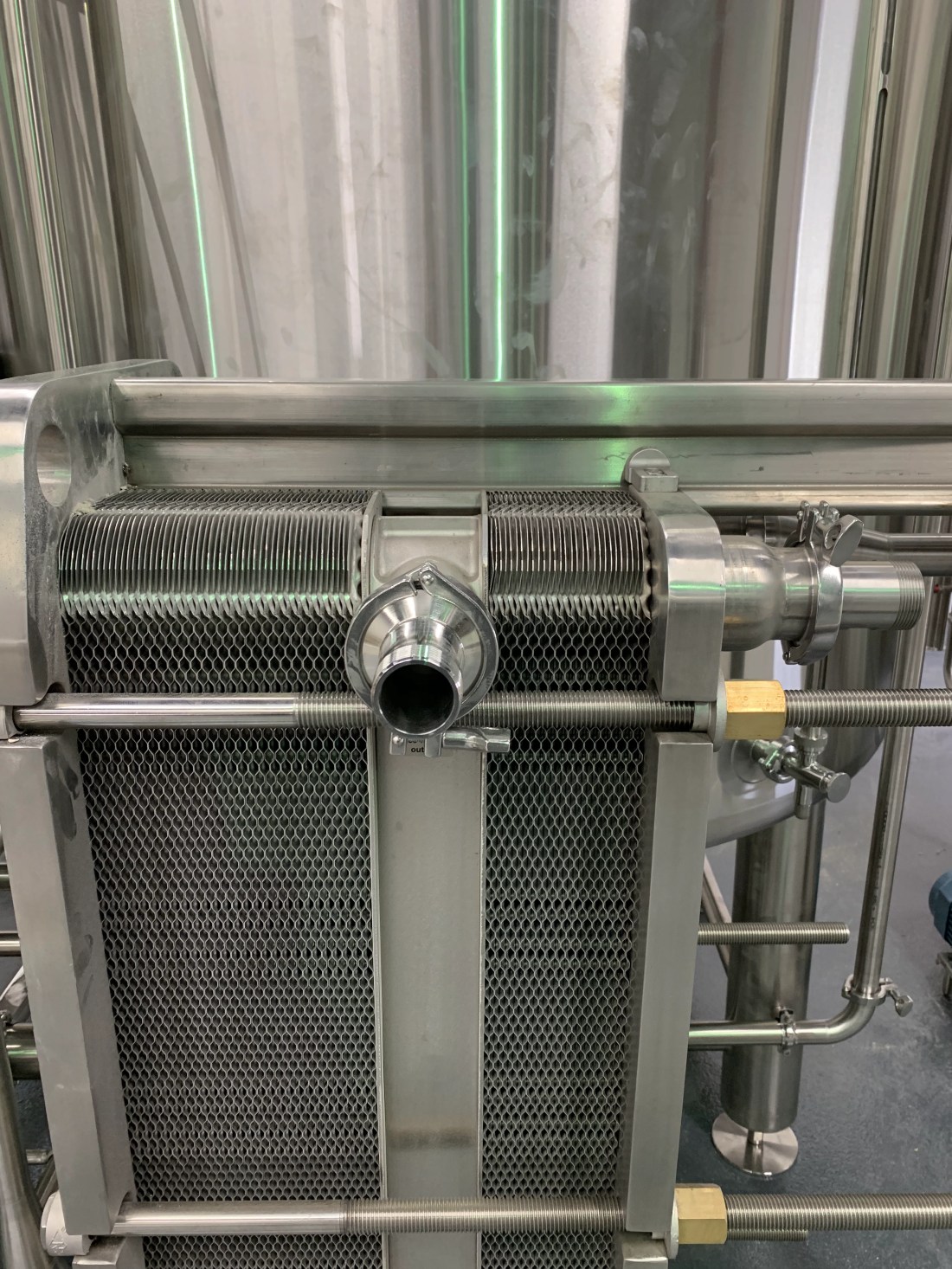
Clear floor space and tank access give operators room to work. Drainage, labels and equipment layout also affect daily production tasks.
Growth
Beverage manufacturing optimization as production grows
Growth tests more than the line. Extra batches squeeze the time for cleaning and repairs, larger schedules expose gaps in inventory planning, quality checks and training, and the commercial side (distribution commitments, staffing, working capital) has to keep pace with production. Review those pieces together as volume rises, while the crew can explain where work is piling up.
Beverage plant optimization includes writing down the steps experienced operators already use, so more of the team can follow them. Documented procedures give manufacturers a clearer way to repeat a batch and check its result as volume grows. If your most experienced operator is away, the next person needs the sequence, the checks and the limits written where they can use them.
A useful procedure says when to check the batch, what the reading means and who decides what happens next. A beverage consulting company that runs a plant understands how those decisions fill a shift. Reduce avoidable guesswork while keeping operator judgment available when conditions change.
Clients describe their production and operations work
What clients say about brewery operations consulting
Istrouma Brewing: operations knowledge the team could use
Istrouma Brewing describes operations knowledge its crew could use. “When it came to operations, Solon Consulting also showed an invaluable amount of experience and knowledge with the ability to convey it.” Dean Vosloh, Head Brewer. Transferring experience matters when the next shift needs to make production decisions.
Central Machine Works: brewery design and production support
Central Machine Works describes brewery design support. “Solon Consulting are experts in designing successful breweries and provide top tier services from grain to glass.” Scott Rynbrandt, Head Brewer.
Oddwood Brewing: help with the brewery’s operating needs
Oddwood Brewing describes having someone to call. “Matt, Kirby, and the Solon team are who you can call, that will always get you taken care of, no matter what the brewery needs.” Cory Herbert, Head Brewer.
Austin Cocktails: support for product quality
Austin Cocktails describes support for product quality. “They went above and beyond to ensure we were producing the best product possible.” Wagon Wills, Operations Manager.
Related work
When equipment, plant design or project work needs attention
A slow line can also point to equipment or plant design that needs attention. For support beyond daily operations, our food and beverage consulting page covers related work; a brewery consultant can address brewery-specific project needs.
Food engineering consultants for process and utility problems
If your line can’t hold its rate, check the process and utilities alongside operating steps. Cleaning cycles that won’t pass or utilities that can’t keep up may need design work.
Food manufacturing consultant for capacity and capital planning
If your decision reaches beyond one plant, consider production strategy and capacity planning before spending capital. The next equipment purchase needs to fit expected volume and your facility’s existing constraints.
Commissioning and startup services for unfinished projects
An unfinished project can leave the production crew working around equipment issues. An open punch list or incomplete handoff needs attention alongside operational improvements, with responsibility clear for remaining work.
Questions about plant assessments and operator training
Does a plant assessment need an on-site visit?
Seeing equipment run helps explain gaps between the schedule and what happens on the floor. Discuss an on-site assessment and remote follow-up with us, including data discussions and procedure writing. Plan visits around work that needs someone present, keeping travel spending tied to the assessment.
How long will our production assessment take?
The time needed depends on plant size, product lines and what needs examining during production. Share those details so the assessment can be scoped around your operation. Findings should rank proposed actions by their expected benefit and cost, identifying practical changes before decisions about larger equipment spending.
How will operating procedures match our equipment?
The procedure needs to describe your equipment and the sequence operators use. Include the products and utilities involved, then check the steps against work on the floor. Instructions that skip actual equipment limits tend to get ignored when someone has to keep production moving.
What training can our production team get?
Training belongs alongside improvements your crew will carry out. Production, maintenance skills, quality checks and food safety procedures need explaining at a level people can use on their next shift.
Where do we start if we have no production data?
Beverage plant optimization can start with deciding what to measure during a run. Record stoppages and output while examining problems the crew can point to. Build measurement into the work so later decisions have something concrete to compare, without promising gains beforehand.
Request a Consultation
Tell us what the team is working around and what growth you’re preparing for. Solon can discuss an assessment and improvement plan, including operating changes and equipment questions needing attention first.