
Industries and Capabilities
Industries Solon Serves and What We Actually Do In Them
Solon works in plants where liquid is made, moved, heated, cooled, cleaned, and packaged, and where a failed batch or failed inspection costs real money.
You’ll see this in our named beverage projects first, then in the other process plants where this same engineering applies.
Brewery consultants, distillery consultants and winery consultants cover the beverage side of this work, and food and beverage consultants and food manufacturing consultants cover plants that make other products. For federal set-aside work, Solon is an SDVOSB engineering firm.
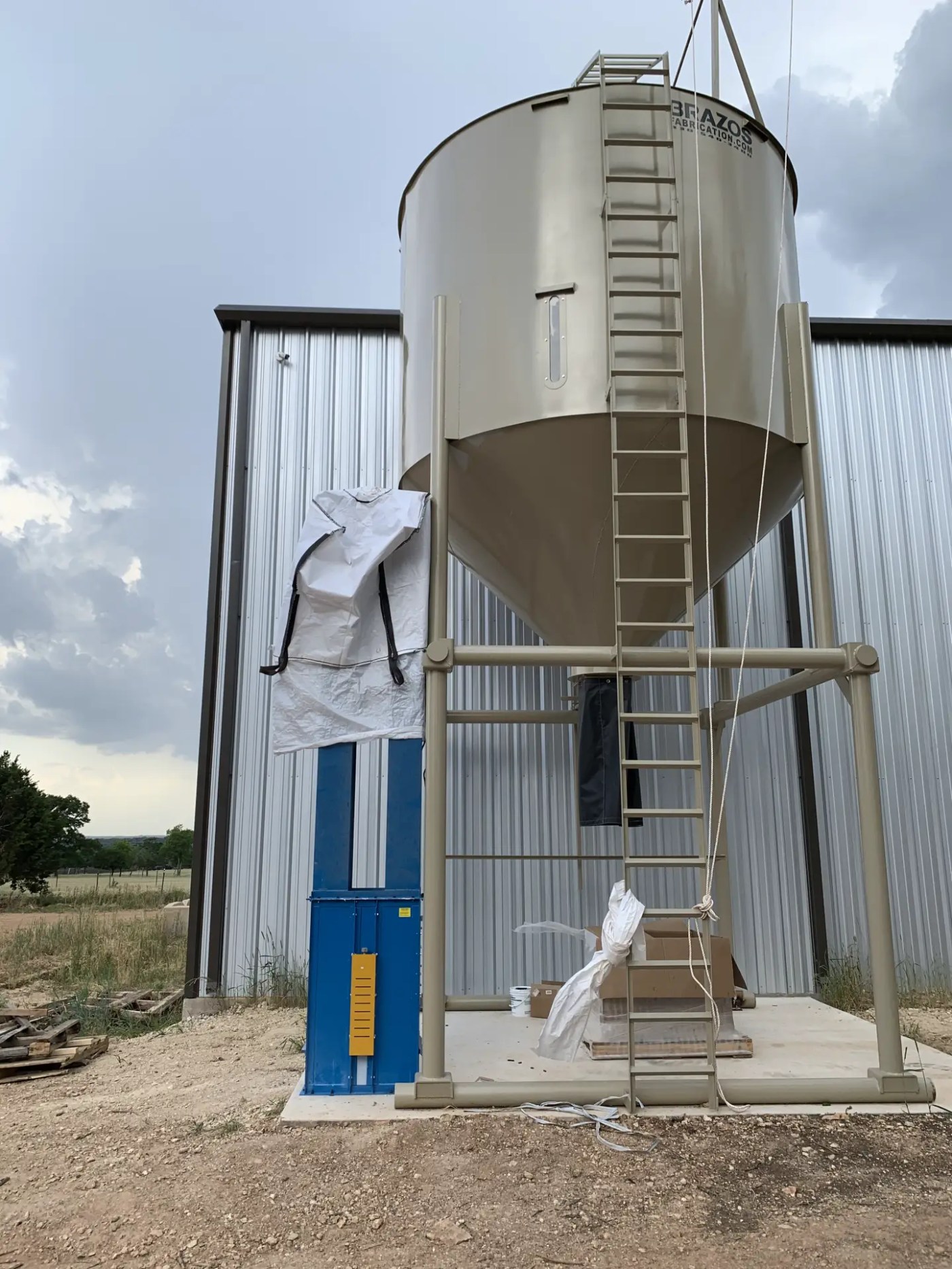

Beverage manufacturing
Breweries, Distilleries, Wineries, and Modern Beverage
This is the core of the practice. Solon has taken breweries from a business plan to a first commercial batch, and has been the owner’s technical representative when someone else’s design had to be made to work.
Craft and commercial breweries
Greenfield buildouts, expansions, cellar and utility design, glycol and hot liquor systems, controls, and startup. We’ve delivered this work for brewery owners across the United States and abroad, from ground-up startups to established producers.
Distilleries and spirits
Hazardous area electrical classification, still house utilities, steam and cooling systems, and the code work that a facility handling flammable liquids cannot skip.
Wineries
Cellar refrigeration and temperature control, crush pad utilities, and harvest-season reliability. Solon designed the cellar cooling system at Augusta Vin.
Ready-to-drink and canned cocktails
Blending, carbonation, filtration, and packaging line engineering for RTD producers. Solon provided operational support to Austin Cocktails.
Functional beverage and soft drinks
Formulation support, process design, quality systems, and equipment selection. Solon advised Tibi Soda in Monterrey, Mexico on quality assurance and equipment selection on site.
Kombucha and fermented beverage
Fermentation control, sanitation design, and the sanitary and food safety discipline that live-culture products demand.
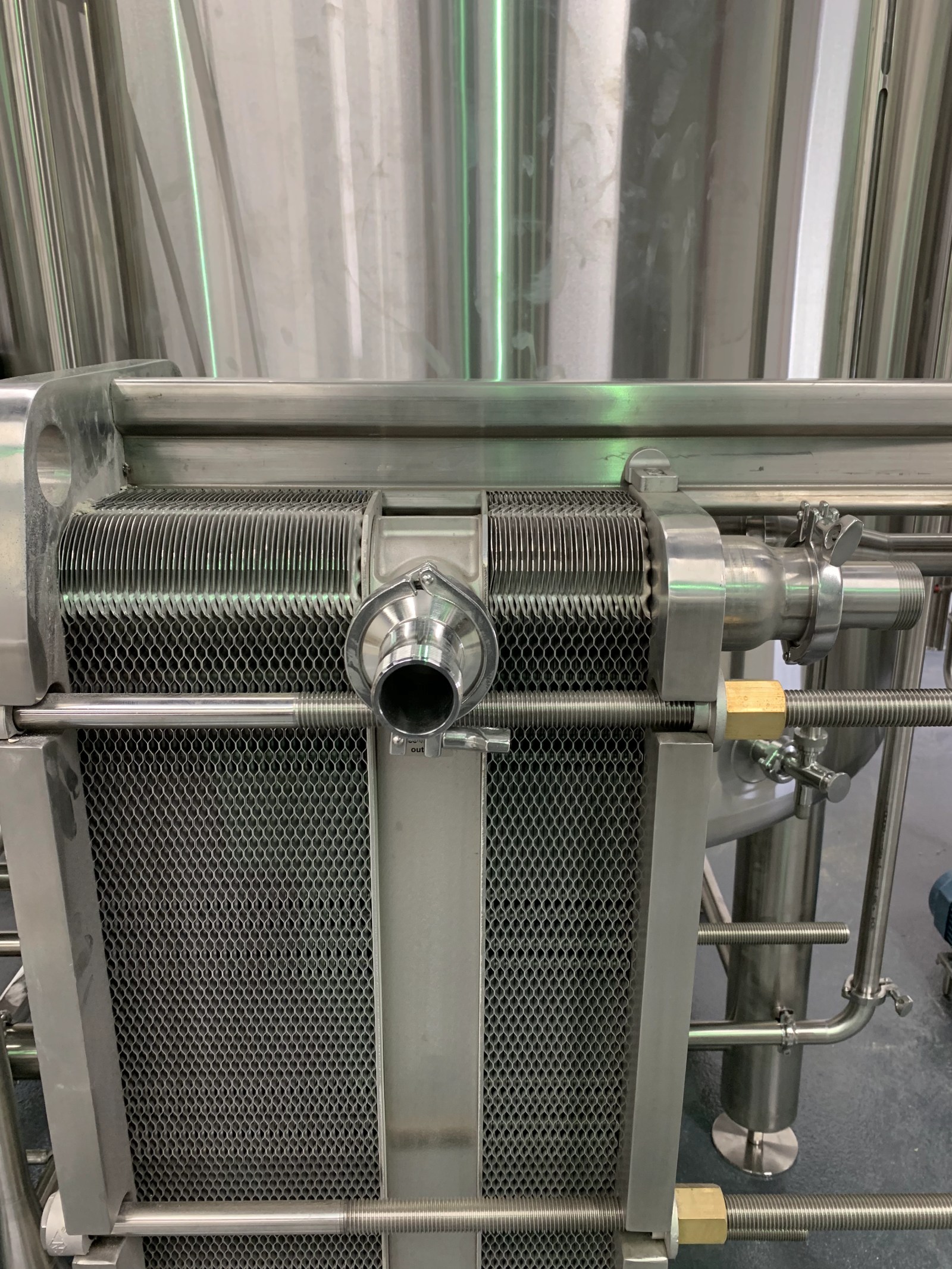
The same disciplines carry across industries. What changes is the product, the regulator, and the tolerance for error.
Food and industrial processing
Beyond Beverage
Our named projects so far are beverage plants: breweries, a winery, a cidery, and a soda maker. The same process and facility design, automation and controls, equipment, and commissioning work applies to the plants below.
Food processors and co-manufacturers
Process line design, cleaning system engineering, utility infrastructure, allergen and changeover strategy, and HACCP and FSMA-aligned food safety systems.
Dairy operations
Pasteurization, thermal processing, cleaning validation, and the cold chain and sanitation discipline dairy regulation requires.
Nutraceutical and supplement manufacturers
Blending, dosing, and packaging systems with the documentation and traceability that regulated supplement production depends on.
Contract manufacturing organizations
Multi-client, multi-product plants where changeover time, cleaning validation between products, and scheduling discipline determine profitability.
Industrial manufacturing
Utility systems, automation and controls, throughput engineering, and reliability work in general process manufacturing.
Federal and government
Federal Set-Aside Teaming
Solon Consulting LLC is an SBA VetCert-certified Service-Disabled Veteran-Owned Small Business, certified March 2024 and valid through March 2027, with an active SAM.gov registration (UEI YEAVZFFRUBJ6, CAGE 9TE77). That makes Solon eligible for SDVOSB set-aside work.
Prime contractor teaming
We’ll partner on your prime team, taking care of the process engineering, equipment, and control panels while bringing our active SAM registration and SDVOSB status to the bid.
Capability statement
This one-page capability statement outlines our company details, our SDVOSB certification, SAM.gov registration with UEI YEAVZFFRUBJ6 and CAGE 9TE77, and the engineering work we do in process design, equipment, automation, and commissioning.
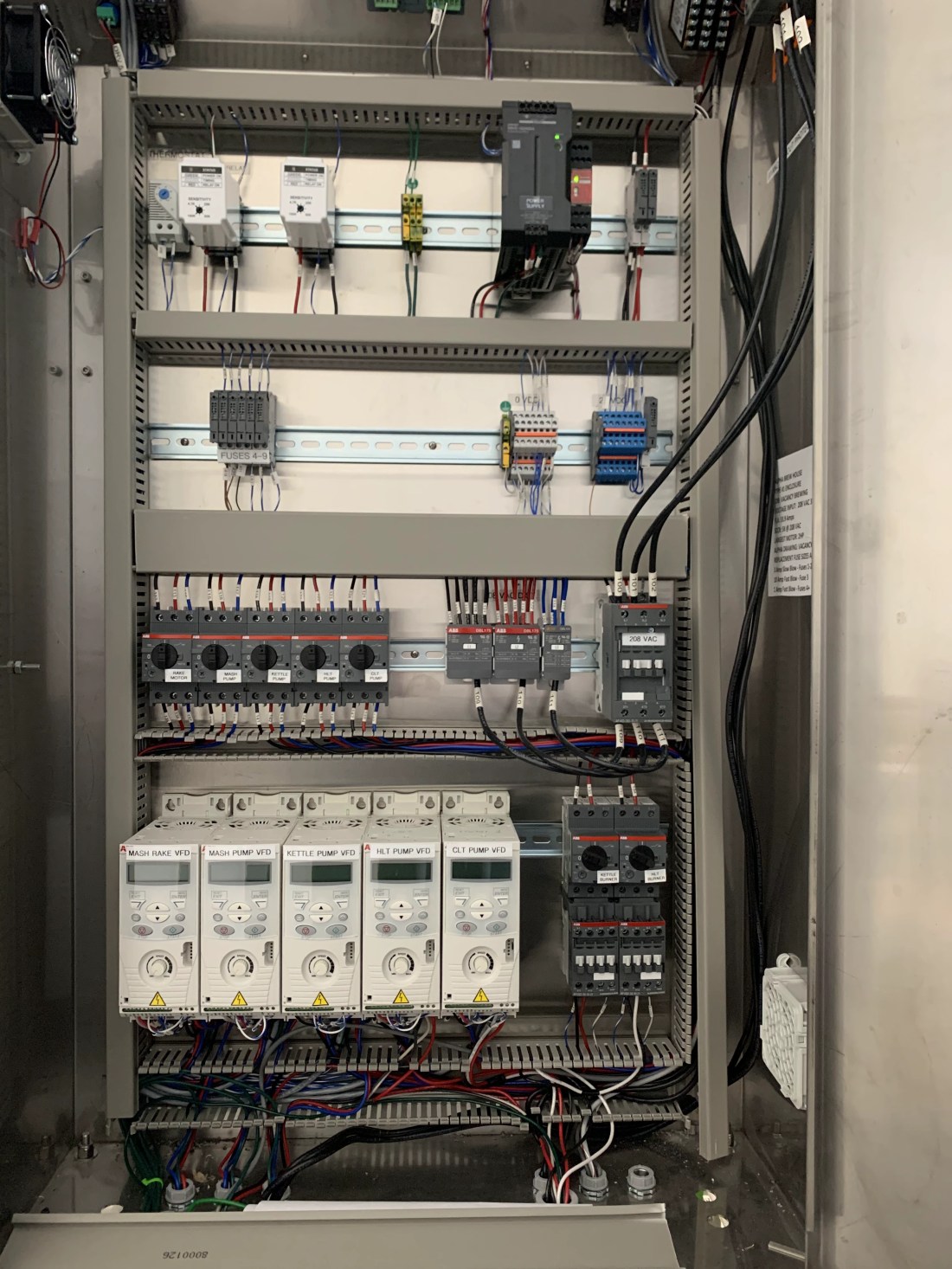
Our engineering disciplines
What Solon Does, Regardless of Industry
Seven core competencies. Most projects use several of them, which is the reason they are under one roof.
Facility engineering and design
Plant layout, utility infrastructure, sanitary and hygienic design, and expansion or retrofit engineering.
Process engineering and optimization
Flow design, thermal and utility sizing, sanitation and cleaning system design, and throughput engineering on lines that will not hold rate.
Industrial automation and controls
Control narratives, IO and panel design, PLC and HMI programming, SCADA and historian architecture, instrumentation, and acceptance testing.
Operational consulting and optimization
Production efficiency, standard operating procedures, workforce training, scheduling, and reliability inside operating plants.
Project management and commissioning
Owner-side coordination from kickoff through factory testing, site testing, startup, training, and production handoff.
Equipment specification and procurement
Specification, vendor and quote review, utility and access verification, acceptance criteria, and commissioning handoff.
Cleaning, food safety, and compliance
CIP and SIP system design and audit, HACCP and FSMA food safety systems, process validation, permitting, and regulatory coordination.
Deliverables
What You Actually Receive
Engineering is only useful when it leaves the building in a form your contractors, operators, and inspectors can act on. These are the documents Solon produces.
Utility load matrix
Tabulated water, drainage, electrical, compressed air, steam, and refrigeration demand by equipment, so the building is sized for the plant you are actually installing.
Interface and IO schedules
Connection points, signals, and data exchange requirements listed out, which is what prevents integration surprises during startup.
Marked-up layouts and drawings
Plant layout, process piping, and utility routing drawings a contractor can build from without calling to ask what was meant.
Control narrative
Sequences, states, permissives, interlocks, and fault handling in plain language, ahead of any programming.
Functional test protocols
Written factory and site acceptance test scripts with pass criteria, so commissioning is measured rather than argued about.
Procedures and training material
Standard operating procedures and operator training built against your equipment as installed, plus the documentation set your team keeps.
Common Questions
Yes. We supply new equipment packages as a dealer and distributor, plus used and refurbished equipment and engineered systems, and we build and program the control panels. We don’t offer installation.
Probably yes. If your plant heats, cools, moves, blends, cleans, or packages a liquid or a food product, the engineering is familiar even if the product is not. Solon will tell you honestly if a project is outside what we should take on.
We’re based in Austin, Texas, and work with clients across the United States and on international projects. Tell us where your site is.
A single discipline is fine and common. Many engagements are one quote review, one utility study, one HMI redesign, or a few days on site. The advantage of the full range is that when the problem turns out to be somewhere else, you do not have to hire a second firm to find out.
Small enough that a short assessment can save you a bad purchase. If an hour of review is what you need, that is a legitimate engagement.
Start With the Problem, Not the Category
Tell us the product, the plant, the constraint you keep running into, and the date you are working against. If Solon is the wrong fit we will say so and point you somewhere useful.