
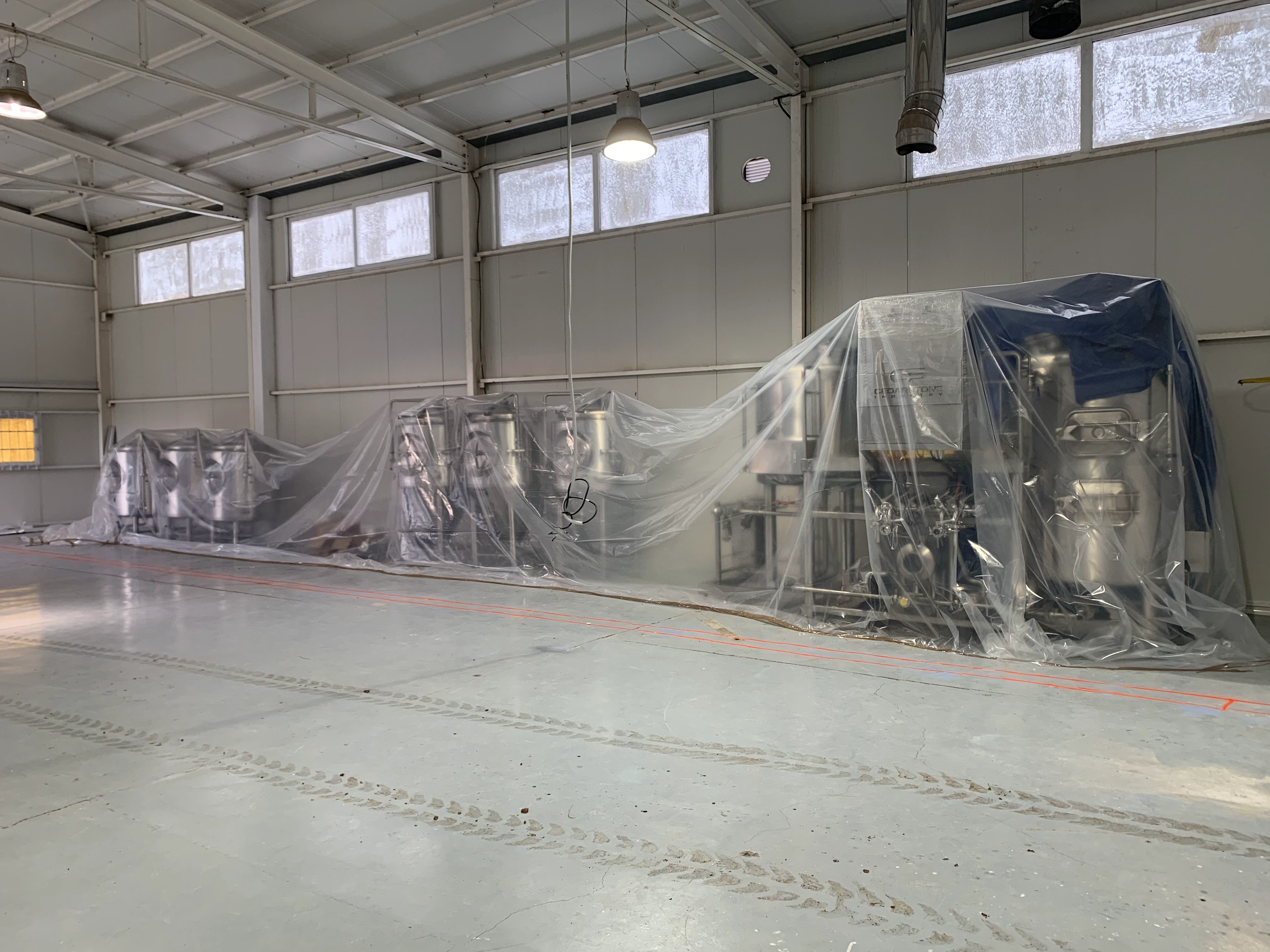

Choosing equipment and planning the buildout
Before you buy tanks or a filling line, your beverage plant design needs to match what you’ll make each week. This guide walks through the equipment, building and process decisions to settle first, whether you’re opening a new facility or changing a running one. Solon works alongside breweries, distilleries, wineries, cideries and other food and drink makers on that planning, and can supply equipment, program controls, help with installation and commission systems once the plan is set. Check FDA cGMP requirements as you set production targets, cleaning needs and the construction budget.
Will Your Equipment Keep Up With the Production Schedule?
Put production targets, product flow, power, water, equipment placement, controls, construction details and commissioning checks in the same plan. Before you order equipment, send us your product list and weekly target to talk to a beverage consultant.
What Should Be Settled Before Beverage Plant Construction?
Before contractors price the work, agree on production targets, equipment, water, power and commissioning checks. This table shows what to define and what can go wrong if it’s missed.
Scroll sideways to see all columns.
| Decision area | What to define | Risk if skipped |
|---|---|---|
| What You’ll Make | products, formats, capacity, batches, changeovers | space and equipment don’t fit the work each shift needs |
| Process flow | receiving, batching, treatment, blending, carbonation, heating or cooling | cleaning and controls problems appear when equipment first runs |
| Power, Water and Cooling | water, drainage, steam or hot water, refrigeration, compressed air, electrical | not enough water, cooling or power when equipment is running |
| Layout | access, cleaning, maintenance, packaging flow, future expansion | pipes and equipment move after construction starts |
| Commissioning | acceptance tests, punch list, training, production handoff | first batches run before equipment checks are finished |
Equipment, water, power and building requirements
What Does Solon Check in a Beverage Plant Design?
Beverage plant design works when the pieces are decided together: how product moves through the building, where each piece of equipment sits, and how power, water, cooling, controls and commissioning checks support the schedule your team will actually run. The sections below walk through those connected decisions so you can settle them before drawings and purchase commitments are final. Brewery owners can see the same order applied in brewery engineering design, from production plan to bid package.
Pipe lengths, drains, tank spacing, power and cooling demand affect each shift. Check cleaning, packaging, operator routes and maintenance access alongside the room you’ll need for future expansion.
Plan Tank Spacing, Cleaning and Product Flow
Show how products, people, equipment, water, power, cooling, cleaning, controls, packaging and maintenance fit into the building and production schedule.
Check Room Layout, Site Conditions and Available Power and Water
Can the rooms fit your equipment, and can the site supply enough power and water? Check those limits alongside product flow and applicable building and sanitary requirements.
Set Production Capacity, Quality Checks and Commissioning Order
The amount you need to make sets equipment sizes and batch schedules. Include quality requirements, future expansion and the order of commissioning checks while you’re still designing.
Place Tanks, Pumps and Fillers in the Beverage Plant Layout
Place tanks, pumps and fillers alongside drains, forklift routes, hoses, doors and panels. Walk through an operator’s shift to check cleaning access, maintenance reach and movement between jobs.
design decisions
Four Equipment and Building Checks Before You Finish the Drawings
Follow your product through the building first. Use that flow to choose equipment and check water, power and cooling demand. Work through operator access, cleaning and maintenance before setting the commissioning sequence. The four checks below help you settle those choices before drawings are final.
01. Map Ingredients Through Filling, Storage and Waste
Follow ingredients through batching, treatment, fermentation or carbonation as required. Include filling, packaging and storage, and show where waste leaves the line.
02. Match Water, Power and Cooling to the Equipment
For each piece of equipment, check water, drains, steam, glycol, compressed air and electrical connections. Controls and CIP need to fit the same layout and production schedule.
03. Leave Room for Operators, Cleaning and Repairs
Operators need to see what they’re doing and move safely. Leave room for cleaning, repairs and the equipment you’ll add later.
04. Plan Equipment Purchases, Commissioning Checks and First Batches
Carry drawings into equipment purchases and construction scope. Define the controls, commissioning checks and order of first production runs before installation is finished.
Before equipment orders and construction drawings
Check Equipment, Power and Drains Before Construction
A filling line that can’t keep up can leave tanks waiting. Check power and cooling demand against equipment running together, mark drains and maintenance access on drawings, and settle controls requirements before contractors start work.
Check equipment, permits and contractor scope together before paying deposits. Power, water and cooling drawings need to describe the same production schedule and site conditions as the equipment packages.

Contractor and construction questions
Choose Design-Build Contracts and Contractors for Your Beverage Build
With design-build, one firm handles design and construction. That can reduce coordination time when scope is settled, though changes are priced within that contract. Check how costs and design decisions will be documented. Design-bid-build separates design from construction bidding, with more price comparisons and extra time for bids. You can also have a technical adviser working for you while a design-build firm or general contractor builds. Solon designs building and process requirements, supplies equipment, programs controls, helps with installation and commissions systems. Agree each party’s responsibilities in writing before work starts.
Ask a beverage plant design contractor about drinks or food they’ve worked with, the equipment involved and how it was cleaned. Confirm who handles required drawing approvals, how equipment purchases and markups work, and what the contract says about changes or missed performance requirements. Building experience alone may leave gaps in drains, washdown or CIP routing. Ask how those details will be checked before construction and who will answer equipment questions on site.
Before beverage plant construction begins, contractors need process, electrical, water and cooling loads for the planned capacity. Locate equipment pads and drains from actual drawings, mark cleaning zones and write the commissioning plan. Solon connects process and building design with equipment specifications, purchasing, controls and commissioning, and helps with installation. Compare contractor proposals against the agreed requirements and settle how construction questions will be resolved on site.
When does design-build make sense for a beverage plant?
Design-build can save coordination time when the process, equipment and construction scope are settled. If those decisions still change, check how contract changes are priced and compared. An adviser working for you can examine drawings and contractor scope. Consider the work involved and the cost of a missed requirement.
What Should the Drawings and Checks for Beverage Construction Include?
Include process, electrical, water and cooling loads for the planned capacity. Locate pads and drains from equipment drawings. Show cleaning zones, washdown requirements, controls and electrical responsibilities, and acceptance checks. Contractors need the same information to price the job; clarify differences in their assumptions before choosing a bid.
Size Steam and Cooling, Plan Expansion and Specify Controls
Which equipment runs together, and when do you clean it? Use that schedule to size steam, cooling, air and water systems, then check future lines and controls.
Size Steam, Glycol, Air, CO2 and Process Water
Your chiller may need to cool tanks while another line is being cleaned. Check overlapping loads when sizing steam, chilled water, glycol, compressed air, CO2 and process water. Those choices affect energy bills and how much you can make. An undersized system can hold back the schedule even when the production equipment is large enough.
Fit the Next Drinks Line Into Your Existing Building
Before adding a drinks line, check what the building, electrical supply and cooling equipment can handle. Room left in the original floor plan can make an addition easier; costs depend on the work involved. Solon helps plan around those limits and the new equipment. Set the construction sequence against your current production schedule to account for interruptions.
Specify Instruments, Control Panels and Equipment Sequences
What should happen when a tank fills or a pump stops? Controls design puts operating sequences in writing alongside instruments, panels and network connections so programmers and suppliers can price the work. Solon builds and programs controls; our industrial automation consulting page explains that work in more detail.
Plan Your Beverage Factory Layout Before Construction Starts
Leave room for warehouse access and another line while planning the first one. Check the power, water and cooling expansion will need before settling the initial equipment list. Structural bays and drains must fit the layout, while pipe routes need room for additions. Follow materials from receiving through packaging and shipping to see where operators move and where handling may slow production. Those choices affect staffing and each shift’s work.
Before the contractor pours the slab, send process loads, floor requirements, drains and equipment pads together, tied to the equipment list. Later equipment changes may mean moving drains or cutting concrete. Settle those details while drawings can still change.
Separate Raw and Finished Products and Plan Drains and Airflow
Keep raw and finished products apart when planning rooms for food and drinks. Check drains, washdown and airflow with the people responsible for sanitary and building requirements. Settle those details in the first floor plan, before permit review. This approach applies to beverage-only buildings and those making food too. See Solon’s food processing plant design page for the broader work, and bring your product, equipment and cleaning requirements into the site discussion.
Buying Equipment, Programming Controls and Solon’s Past Work
Once you’ve settled the plan, Solon can specify and supply equipment, program controls, help with installation and commission systems. Keep those requirements connected as the build progresses.
Choose Equipment and Get It Running
A beverage manufacturing consultant connects production targets with power and cooling requirements, equipment specifications, purchasing and commissioning. Solon carries those decisions into the building layout and controls programming. For cellars and crush pads, winery facility planning follows the same sequence.
Past Projects by Industry and Equipment Need
Look through completed projects by industry and by the equipment or production problem involved. See which work relates to the build you’re planning.
What Clients Say About Working With Solon
Before we plan your build, read what clients say about Solon. Their comments give you another way to judge who you’ll be working with.
Questions to Ask Before Equipment Deposits and Lease Commitments
When Should Solon Check Our Building and Equipment Plan?
Ask before equipment deposits, leases, power or water assumptions, or drawings lock in expensive choices. You’ll still have room to check equipment against your production target.
Can Solon Help Expand or Upgrade an Existing Drinks Line?
Yes. The same checks apply to expansions, line additions, cleaning upgrades, controls retrofits and getting equipment running again. Start with the existing building’s limits.
Questions About Equipment, Building Plans and Daily Production
What Should the Beverage Equipment and Building Design Give Us?
You’ll have equipment choices, a floor plan and construction requirements based on your products, site, budget, schedule and production target, ready for your team to use.
How Does Equipment Design Affect Daily Production Once We’re Open?
Equipment placement, power, water, cooling and controls determine how work moves through the building. Once you’re making drinks, Solon can help with operating problems as well as design. Get help with daily production to check operating problems against the equipment and layout decisions behind them.
Gather Your Production Target and Power, Water and Cooling Limits
Fill out the beverage facility planning checklist with products, capacity, power, water, access, controls and commissioning details. That gives us actual numbers for the first design discussion.
Send Your Equipment List and Site Limits to Solon
Send the production assumptions, building limits and equipment questions holding up your plan. We can help define the design work, equipment requirements, controls and commissioning checks.