
Owner-side project management, commissioning and startup
Commissioning and startup services
Whether you’re still settling equipment specifications and supplier commitments or your tanks are in place and need to run, we work on your side of the project.
As owner’s representatives for breweries, distilleries, wineries and food and beverage makers, we keep design requirements, cost and schedule priorities, supplier decisions and project changes together, then carry those decisions through delivery, installation support, commissioning and startup. For background on commissioning, see ASHRAE.
Commissioning and startup services work best when one party is accountable for the sequence. We follow the equipment from the factory through the first run, and our brewery consultants carry the same scope from planning into startup.


Design requirements, supplier commitments and your opening date need to agree
What do commissioning and startup services include?
Getting a beverage line running takes more than waiting for the last delivery. We organize these checks and decisions so you know what’s ready, what’s missing and who needs to act.
Decide who’s doing each job and when it’s due
Agree on each team’s jobs, who can approve changes, the schedule and known risks. Decide how you’ll stay in touch. Assign responsibility early, so months into the build there’s less argument about a missing job and who was meant to do it.
Check the drawings against orders, power, water and gas
Check the drawings, equipment orders, excluded items, power and water requirements and delivery dates together. A missing connection can hold up your opening. Settle the food processing plant design requirements before orders commit you to them.
Check the equipment at the factory before it ships
Write down what the equipment and control panels need to do, then check them before shipment. Record anything that doesn’t pass and name who’s fixing it. Finding a fault in the shop gives the supplier time to correct it before it reaches you.
Check the equipment with your actual connections
Check the installed equipment’s mechanical work, controls, power, water, safety functions and interlocks. Your team needs to see the system work with the connections and conditions it’ll actually face. The drawings alone won’t show you what happens when it’s turned on.
Start each system in order and finish the remaining fixes
Start equipment in the agreed order, track every remaining correction and who’s responsible, then check readiness against the written requirements. Your opening date needs those equipment checks as well as a schedule for deliveries and work.
Show your team how to run and maintain the equipment
Walk operators and maintenance staff through the equipment as it’s been built, with standard operating procedures and the records they’ll keep. They need instructions they can follow after the project team has left.
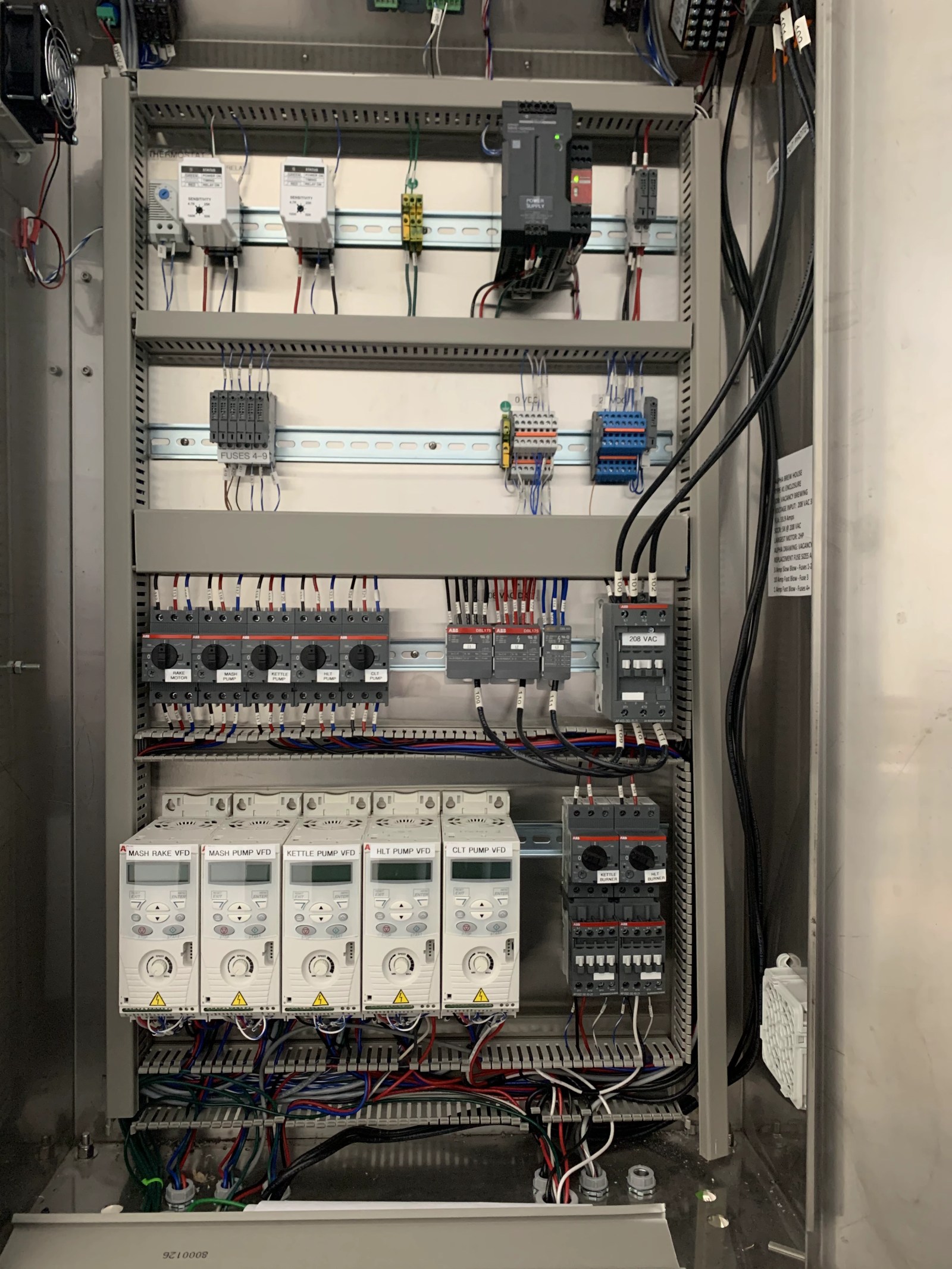
While equipment’s being placed, the trades are still on site. You can still change connections, access and the order for starting systems before those decisions become harder to correct. Settle them before they mean redoing finished work.
Breweries we’ve helped get ready to open
What did Solon do on these brewery builds?
These projects are selected examples of the brewery startup support Solon has provided alongside owners, including design decisions, equipment placement and getting systems running. Each description explains our part in the work.
Balanced Rock Brewing
At Balanced Rock Brewing, a ground-up production-facility startup in The Colony, Texas, Solon held the owner’s technical representative role through construction: design management, coordination of the mechanical, electrical, plumbing and controls trades, utility integration.
Idle: managing the production project in San Antonio, Texas
Solon managed the production project at Idle in San Antonio on behalf of Pouring With Heart.
Stay Put Brewing: design and placing equipment in Austin, Texas
At Stay Put Brewing, we worked on the design alongside the owner’s engineers, architect, project managers and construction teams. During construction, we also advised the rigging crews on where to place the equipment.
Forgtmenot Brewing
At Forgtmenot Brewing (FMN PC) in Greece, Solon delivered process flow design and equipment specification across a cross-border supply chain plus fermentation tracking, operator training and standard operating procedures for the operating team.
Starbase Brewing: helping with the build and production systems
We helped with the build and production systems at Starbase Brewing. Nate Argroves, its owner, says Solon “essentially built our entire brewery from scratch.”
When an equipment order or the controls need attention
What if controls or an equipment order are holding you up?
Your equipment, controls and operators need to be ready for the same date. Start with whichever job is holding up your schedule, or see our engineering consulting services page for the wider project work.
Get the PLC controls and HMI screens working together
Check the PLC logic, HMI screens, alarms and production data before your team needs them. PLC and HMI integration should let operators run the equipment and understand what each alarm means.
Check what you’re buying and when it’ll arrive
When a brewery equipment order holds up the schedule, check the requirements, excluded items, delivery dates and who’s making the purchase. Agree on what the equipment must do, so you can check it when it arrives.
See what we did on other brewery and beverage projects
Our brewery and beverage case studies describe completed projects and the problems we worked on. Compare them with your own before calling. For improvements once your equipment’s running, see our work on running and maintaining equipment.
What happens when it’s time to turn the equipment on?
We’re behind schedule. Can you help get the equipment running?
Yes. If the project’s stuck, we can compare the design with what’s installed and work through what’s stopping you. That can include assigning remaining fixes, coordinating suppliers, checking controls and training operators before your team takes over and starts making product.
How will you work with our contractor and controls programmer?
We coordinate technical decisions and equipment checks so your contractor, controls programmer and suppliers work toward agreed requirements. Your existing team keeps its contracts and responsibilities. We help establish how you’ll check what the equipment does.
Is it better to call before we order the equipment?
Call before ordering, if you still have that choice. Power and water requirements, excluded parts, access for rigging crews and long delivery times can reshape the schedule. Check those things early, while your team can still adjust the plan.
Can you program the equipment and help us get it running?
Yes. We manage equipment startup, supply and program control panels, help with installation and commission systems. Those jobs need coordinating so the connections and programming are ready together.
What will our team have when you hand over the equipment?
Your team gets equipment checked against written requirements, completed fixes, operator training, standard operating procedures and the records needed to maintain what’s been built. We work through those items so your people can use the equipment after we’ve left.
Tell us where your project stands
You don’t need purchased equipment, finished drawings or a complete specification to start the conversation. Tell us where you are: decisions you’re facing on design and suppliers, a build in progress, or an installed system that needs commissioning. Send whatever schedule, scope or equipment details you have, and the date you need to start making product. We’ll help identify the next decision, check or fix and what’s still needed before your team can begin.