
Solon Consulting
Food manufacturing consultant
You’re planning a food manufacturing business, a new line or an expansion.
What product, what capacity, which building, and how will you fund and staff it? Solon helps you make those decisions as a food manufacturing consultant, and then delivers them: designing production spaces, supplying machinery, programming controls and considering FSMA requirements before you settle the floor plan or order equipment.
Food manufacturing consultants should tell you early whether the building, power and water can support the line you want, and that is where our work starts. We also work with plants that make products other than drinks, and check power, water, floor plan and room to expand before you commit to a site.
Our food manufacturing consulting can start with your equipment list and floor plan, or earlier, with the production and capital plan that decides what you actually need. We’ll check power and water demand, work out the connections and write down how the controls need to run before you buy. Send us what you’ve got.
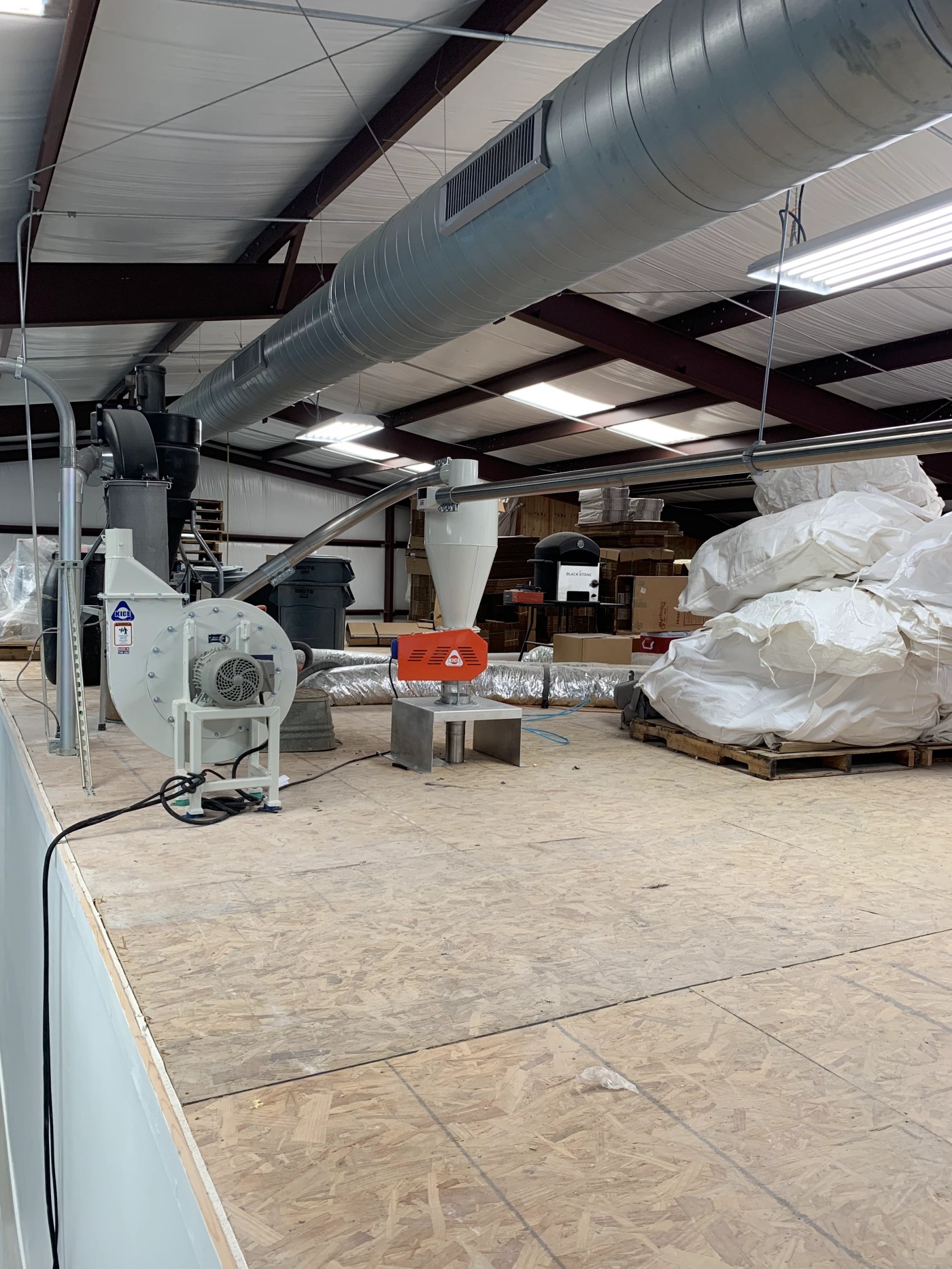
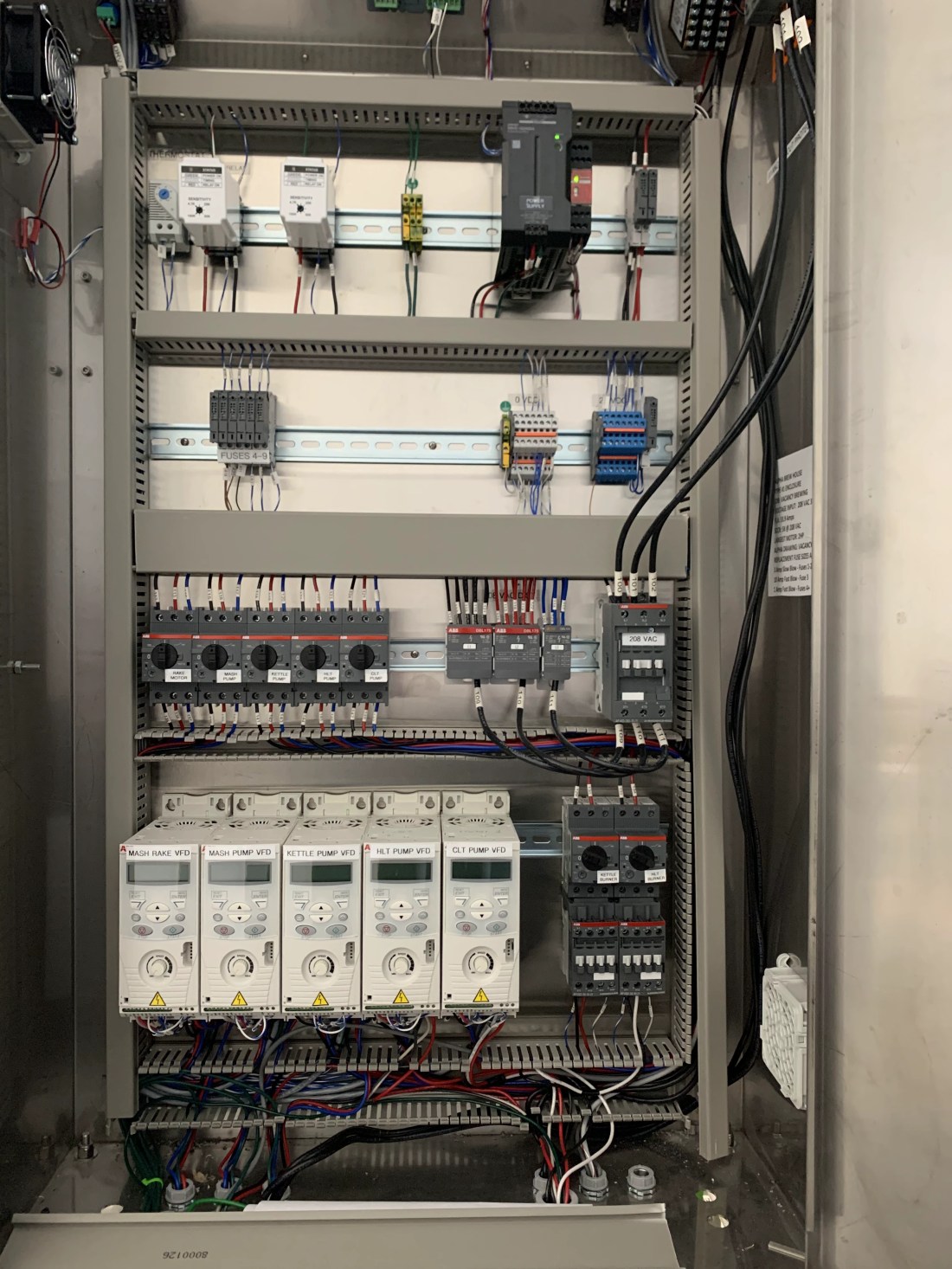
What food manufacturing consultants decide with you: what to build, what to fund, how it will run
Solon helps you make those decisions and then delivers the facility, equipment and controls work that follows from them.
Food processing consultants test capacity and facility alternatives against the plan
A stated output target becomes concrete when it is broken into batches, shifts, cleaning time and changeovers. We work through that arithmetic with you, then compare realistic facility options: what an existing building can support given its power, water, steam and drainage, what an expansion actually buys you in added capacity, and where a different layout or phased installation serves the same sales plan for less capital. The result is a set of production and facility assumptions you can defend to lenders and use to judge every equipment quotation.
Capital and operating cost across the whole business
The funding question is broader than the equipment invoice. Installation and utility upgrades, FSMA-aligned food safety implementation, staffing for the shifts your plan requires, ingredients, packaging, energy, water, maintenance and waste all belong in the model. We build that operating picture alongside the production plan so your capital request and your cost per unit come from the same assumptions. Where a machine choice shifts operating cost, you will see it before committing.
Food safety requirements built into the design
FSMA preventive controls, sanitation design and cleanability are not paperwork added after the layout; they shape room separation, surface materials, cleaning access and equipment specification from the start. We fold the applicable requirements into the process and facility decisions. Our food engineering consultants‘ work covers the process side of that integration.
Owner-side coordination through purchasing and startup
Once decisions are made, we keep them connected: equipment specifications written from the production plan, suppliers and contractors answering to the same requirements, connection details resolved before delivery, and controls designed and programmed to run the line you approved. Our equipment procurement checklist gives you the purchasing questions to bring to that stage, and we represent your interests in the supplier and contractor coordination through installation.
Does your building have the power and water this equipment needs?
The machine fits on paper, but can you run it with the power and water you’ve got? A missing connection detail can mean changing the work after delivery. We check what the equipment needs and how you’ll get it running before you buy. Your suppliers and contractors then have the same written requirements.
Check machine power and water demand before you order
Before you order machinery for your food line, compare each machine’s power and water demand with what your building can supply.
Will the new machine’s controls talk to your existing equipment?
Your new machine may send signals your existing controls can’t read. Write down how they’ll communicate before you buy, while the supplier can still answer questions.
Can your crew reach every surface that needs cleaning?
Food safety standards implementation includes a practical question: can your crew reach the surfaces they need to clean? Put cleaning access and hygiene requirements in the equipment specifications before delivery.
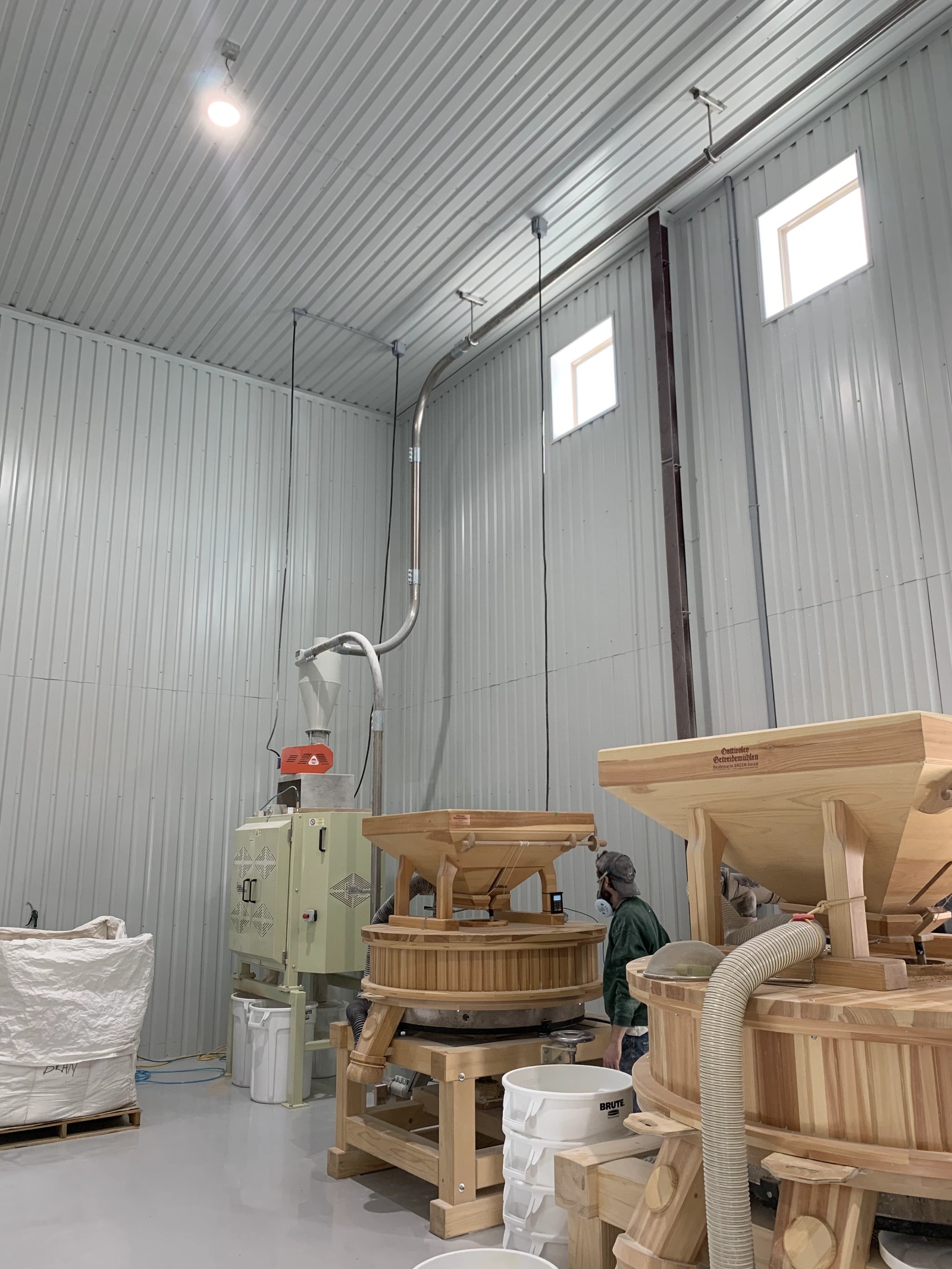
Planning a food plant expansion? Check the site before buying.
Before you commit to more space, check that it can run the equipment you want. We’ll check the floor plan and available power, water, steam and air, map the connections, write equipment specifications and answer supplier questions. We’ll then define checks for the installed systems. Our engineering consulting services include process and building design, equipment supply, controls and getting systems running. See the industries served for other production projects.
Check power, water, the floor plan and how food moves through it
Where will each machine go, and how will food move between them? We check the floor plan and power and water supply before food processing plant design and equipment selection.
Show where each power, data, water and drain connection goes
Which connections does each machine need, and where do they go? We map power, data, water and drainage across your food line so contractors and suppliers can plan.
Write down equipment materials, controls and required performance
Can suppliers quote from the information you’ve given them? We’ll write equipment materials, controls and expected performance into the specifications for the machinery you’re planning to buy.
Ask suppliers about equipment fit, connections and controls
Does the supplier’s proposal match the space and connections you’ve got? We resolve questions about equipment fit, power and water connections, controls and what your line needs to produce.
What should you ask about equipment, suppliers and controls?
Before you book delivery or contractor time, ask what each machine needs and who provides its connections. Get suppliers’ proposals, equipment specifications and commissioning checks to agree with each other. We’ll check your existing systems, specify the machinery requirements and work through the details with your staff and suppliers, while equipment choices are still open.
Yes. We sell new equipment packages as a dealer and distributor, used and refurbished machinery, and engineered systems. We also build and program control panels. That means we can write the equipment specifications and supply the equipment in the same job, with those requirements available as your team works through supplier decisions.
First, we write down the performance each machine needs to deliver. Then we compare supplier proposals with your power and water supply, available space and production requirements before you choose machinery.
Before it ships, we check that the site and power and water connection points are ready. We prepare the mechanical, electrical and controls connection plans your contractors and team need, alongside the commissioning checks. If you’re making beverages, our beverage manufacturing consultant page explains that work.
Yes. We specify how machines exchange signals and coordinate control logic checks for connections to existing automation and data collection systems. We build and program control panels, assist with installation and commission systems too. Our food and beverage consulting covers the planning and other work around your equipment project.
Talk to Solon
Still choosing machinery for a new line or an expansion, or still deciding what to build at all? We’ll agree the next step from there.