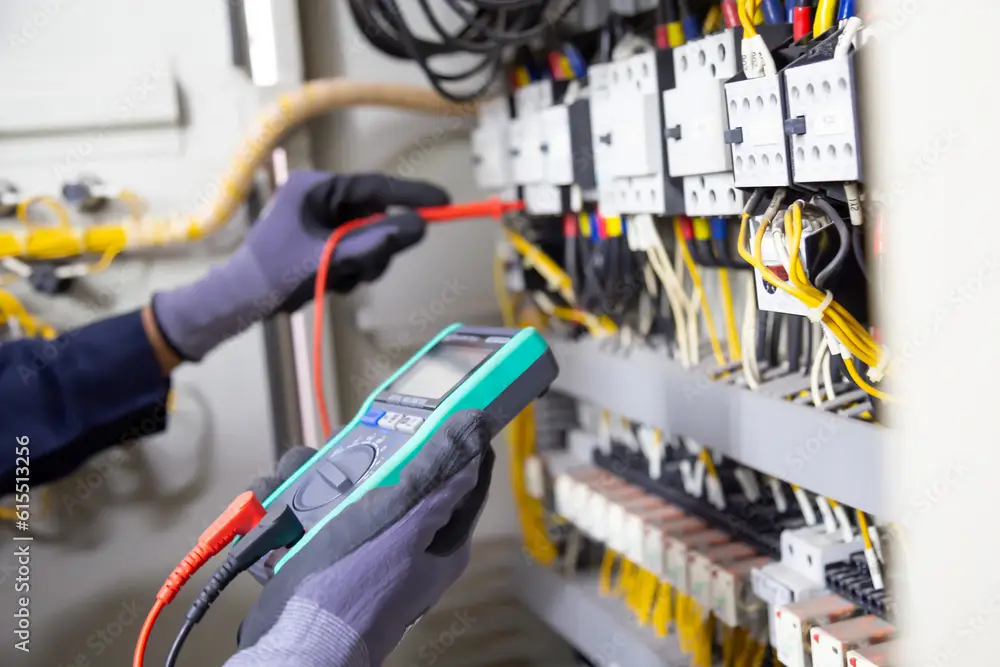
Hazardous area classification distilleries work starts with a simple reality: ethanol vapor can create ignitable atmospheres when release sources, ventilation, operating practices, and electrical equipment are not coordinated. A distillery classification study should translate that risk into clear room boundaries, equipment requirements, installation details, and inspection records.
The classification is not a decoration on an electrical drawing. It affects motor starters, panels, conduit seals, lighting, instrumentation, portable devices, ventilation, grounding, bonding, maintenance access, and how operators respond to abnormal releases.

Classify The Risk Before Buying Equipment
Hazardous location work should happen before panels, pumps, sensors, lights, fans, and skids are purchased. If the classification changes late, the project can face rework, delays, or equipment that cannot be accepted in its installed location.
- Identify ethanol release sources and operating modes
- Confirm ventilation and room arrangement
- Map classified boundaries around equipment and openings
- Select electrical equipment approved for the location
The Classification Logic
In United States practice, distillery electrical classification usually connects NFPA 30 flammable-liquid requirements, NEC hazardous-location rules, OSHA workplace requirements, and the authority having jurisdiction. The applicable edition and local amendments matter, so the classification package should state its code basis rather than relying on memory or vendor assumptions.
Still vents, open handling, filling, dumping, pump seals, hose connections, tank vents, drains, and spill-prone transfer points.
Normal operation, cleaning, maintenance, startup, shutdown, abnormal release, and emergency response do not carry the same likelihood.
Airflow, low-point accumulation, exhaust location, interlocks, and failure modes can change the extent of a classified location.
Equipment must be suitable for the class, division, gas group, temperature, and ambient conditions at the installed location.
For ethanol vapor, many classification reviews evaluate Class I conditions and commonly consider Group D equipment, but the final classification should be made against the current adopted code basis, the material safety data, the specific equipment, and the facility conditions.
Distillery Area Review Matrix
| Area Or Operation | Classification Question | Design Evidence |
|---|---|---|
| Still room | Where can ethanol vapor be released during normal operation, venting, cleaning, or abnormal upset? | Still layout, vent routing, ventilation basis, equipment cut sheets, and classified boundary drawings |
| Tank farm or blending area | Are vents, manways, sampling ports, transfer connections, or drains creating classified envelopes? | Tank data, transfer procedures, spill containment, grounding and bonding details, and room ventilation notes |
| Barrel filling or proofing | Can open handling, spills, hose disconnects, or proofing operations create ignitable vapor near equipment? | Operator workflow, liquid volumes, alcohol proof, exhaust design, portable equipment controls, and cleanup procedure |
| Bottling and packaging | Is product strength, line design, ventilation, or leak potential enough to require local classification? | Filler details, enclosure/opening layout, alcohol concentration, drain plan, and equipment suitability review |
| Electrical rooms and panels | Can classified vapors enter adjacent spaces through openings, conduits, pits, or pressure differences? | Room separation details, conduit seals, door/opening review, HVAC pressure notes, and equipment location plan |
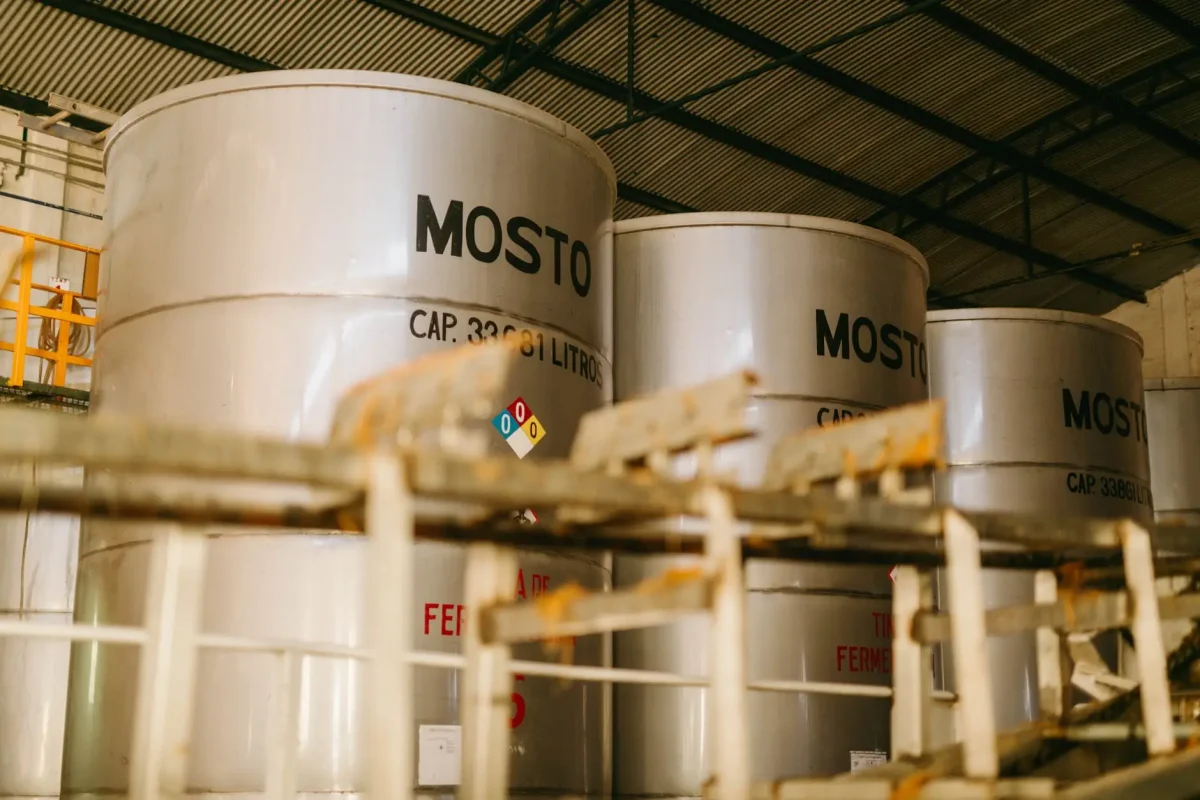

What The Classification Package Should Include
A useful classification package is more than a shaded floor plan. It should explain how the classification was determined and how the owner, engineer, electrical contractor, equipment suppliers, and inspector can apply it.
Before procurement, the team should use the classification package to challenge every item that will sit near a release source. That includes packaged skids, local disconnects, sensors, solenoids, scales, portable pumps, hose reels, lighting, control stations, and temporary maintenance equipment. If the submittal does not show the correct marking or installation method, the issue should be resolved before the device arrives on site.
This is also the moment to confirm the owner's operating rules. A room that is safe only when ventilation is running, doors are closed, spills are cleaned immediately, and portable devices are controlled needs written procedures and training that match those assumptions.
| Package Element | Why It Matters | Typical Artifact |
|---|---|---|
| Basis of classification | Keeps the team aligned on adopted codes, assumptions, alcohol proof, ventilation, and release scenarios | Code-basis memo and assumptions register |
| Plan and elevation drawings | Shows classified extent in a form contractors and inspectors can use | Plan sheets, section views, boundary notes, and adjacent-space notes |
| Electrical equipment schedule | Prevents installation of equipment that is not marked or approved for the classified location | Panel, motor, instrument, light, receptacle, and device schedule |
| Ventilation and interlock notes | Connects classification assumptions to actual fan operation, alarms, and failure response | Ventilation narrative, airflow records, interlock logic, and alarm list |
| Field verification record | Confirms that installed conditions match the classification drawings | Walkdown checklist, redlines, photos, punch list, and closeout notes |
Common Failure Points
- Classified boundaries drawn without field dimensions or equipment release points
- Ventilation assumed but not measured, interlocked, alarmed, or maintained
- Vendor skid components accepted without checking hazardous-location markings
- Electrical rooms treated as safe without reviewing vapor migration paths
- Portable devices and maintenance tools left out of the operating procedure
- Conduit seals, grounding, bonding, and commissioning records not verified in the field
Hazardous area classification only works when the drawing, the equipment list, and the installed field conditions tell the same story.
Frequently Asked Questions
Who decides the final hazardous area classification?
The classification should be prepared by qualified professionals and coordinated with the owner, design team, electrical contractor, equipment suppliers, insurer, and authority having jurisdiction. The AHJ determines what is acceptable for the permitted installation.
Is every distillery room Class I, Division 1?
No. Classification depends on the likelihood and extent of an ignitable atmosphere. Normal release sources, abnormal release potential, ventilation, room layout, and equipment location all matter. Over-classifying and under-classifying can both create cost and safety problems.
Can ventilation remove a classification requirement?
Ventilation can affect classification extent, but it has to be designed, documented, and maintained as part of the safety basis. The review should account for fan failure, alarm response, low-point accumulation, and whether ventilation assumptions remain true during normal operation.
When should a distillery classify hazardous areas?
Do it before equipment procurement, electrical design, panel placement, ventilation design, and permit submission. A late classification can force replacement of devices, new conduit methods, panel relocation, or ventilation changes.
Official References
- OSHA 29 CFR 1910.307: Hazardous classified locations
- OSHA 29 CFR 1910.399: Electrical definitions
- OSHA 29 CFR 1910.106: Flammable liquids
- NFPA 30: Flammable and Combustible Liquids Code
- NFPA 70: National Electrical Code
Need A Distillery Classification Review?
Solon Consulting helps distillery teams coordinate process layout, electrical design, ventilation assumptions, equipment procurement, commissioning, and field verification.
Leave a Reply