
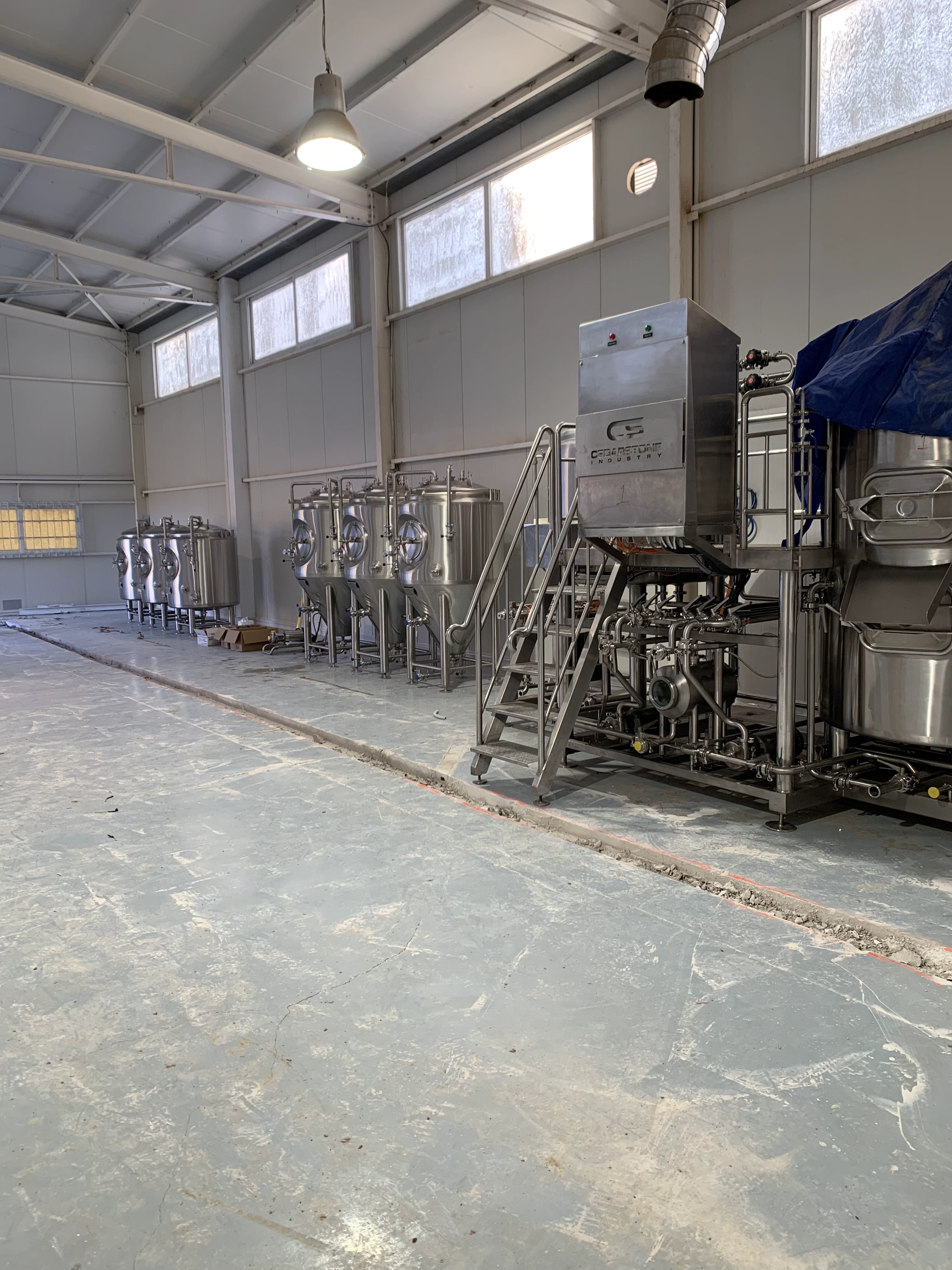
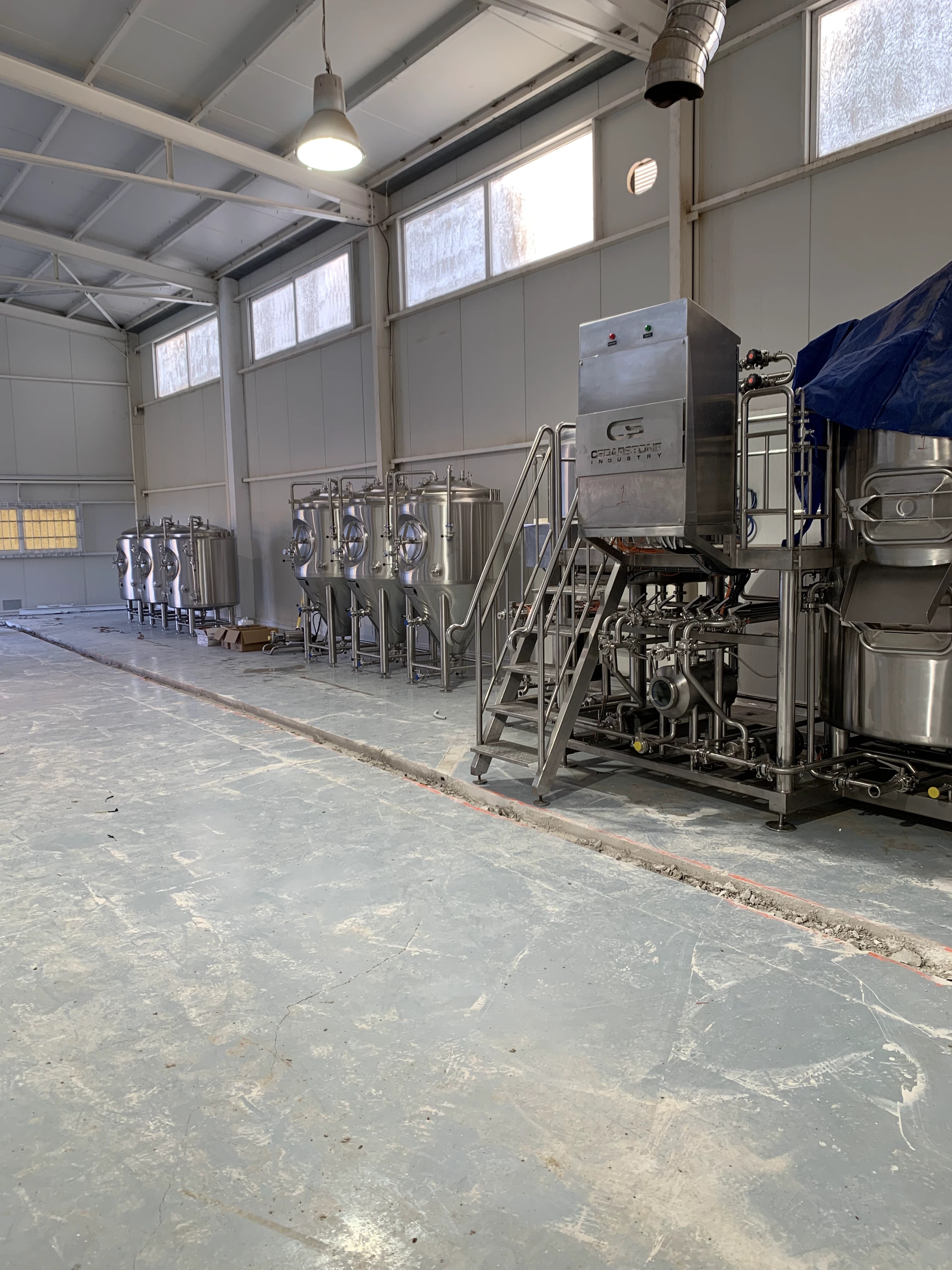
This distillery setup guide explains how spirits facility planning support helps owners move from an idea to a facility, equipment plan, production workflow, permit-ready documentation package, and startup path. A distillery is not only a still. It is a regulated manufacturing plant with heat, vapor, alcohol storage, utilities, wastewater, controls, records, and safety constraints.
The most useful consulting work happens before the owner commits to a lease, still package, floor plan, or launch date. Early technical review can expose building limits, code issues, missing utilities, bad flow, unrealistic production targets, and hidden costs before they become expensive field problems.

Setup Is A Sequence, Not A Shopping List
A good setup plan connects the business model to production reality. The consultant should help match proof-gallon goals, product type, equipment, utilities, space, staff, and compliance requirements before major purchases are made.
- Confirm the product model, production volume, aging plan, and packaging plan
- Review the building for utilities, drains, ventilation, access, fire protection, and hazardous areas
- Compare equipment packages against process needs, not just quoted capacity
- Build a startup path that includes records, commissioning, training, and inspections
The Setup Roadmap
Distillery setup has to move in the right order. If permitting, building review, equipment procurement, utilities, and safety classification are handled separately, the project can drift into rework.
Concept
Product mix, volume, budget, tasting room, distribution, and growth plan.
Site
Building fit, utilities, drains, access, ventilation, storage, and code constraints.
Equipment
Mash, fermentation, distillation, proofing, bottling, controls, and storage.
Launch
Permits, commissioning, SOPs, safety checks, records, and operator training.
What Distillery Setup Support Should Review
| Work Area | Consulting Question | Why It Matters |
|---|---|---|
| Facility and layout | Can people, ingredients, spirits, packaging, waste, and visitors move safely through the building? | Bad flow creates labor waste, safety issues, and future capacity limits. |
| Process design | Do mash, fermentation, distillation, proofing, blending, storage, and cleaning fit the product plan? | Equipment that looks right can still be wrong for the production sequence. |
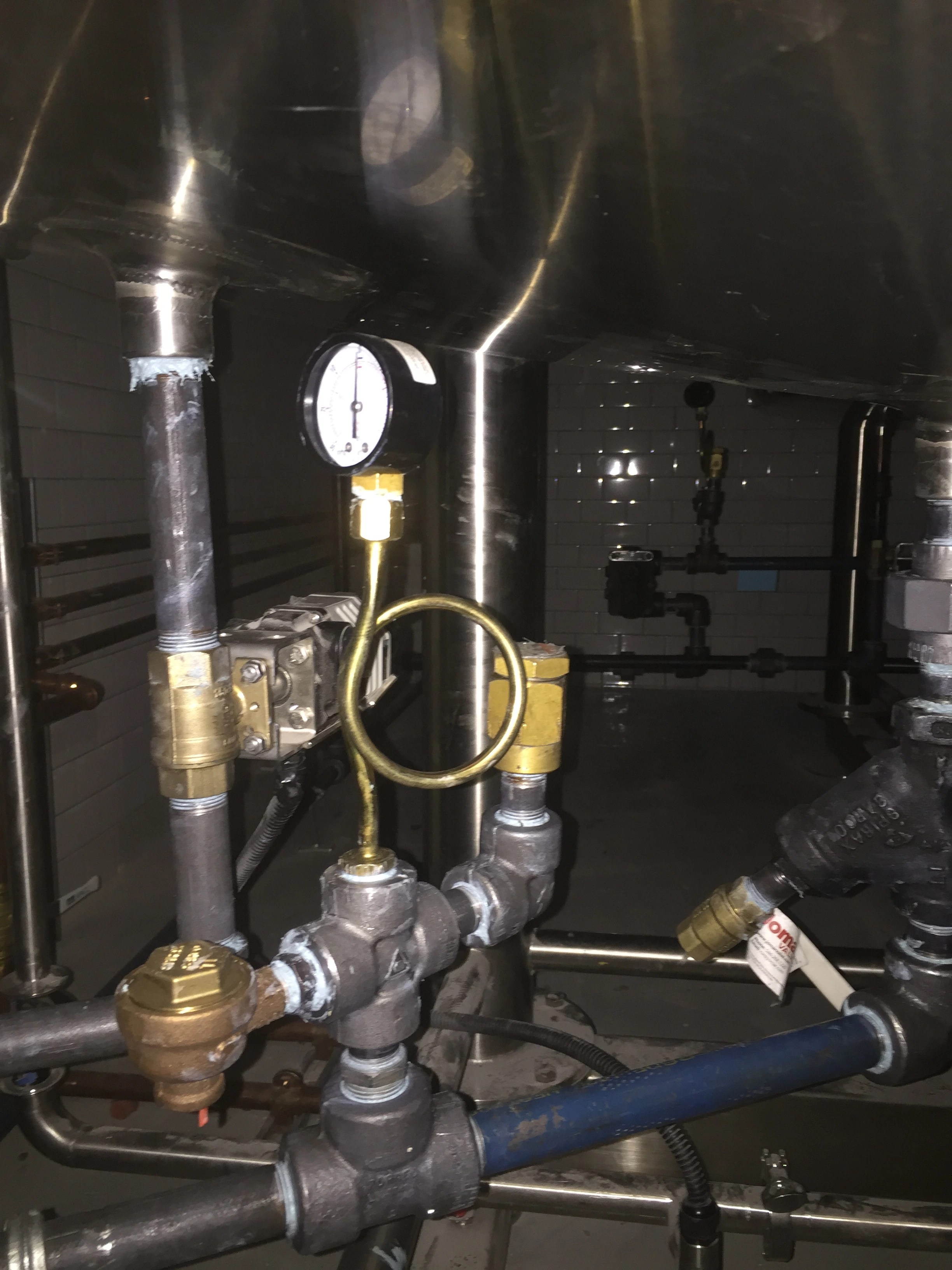
| Utilities | Are steam, electric, water, glycol, compressed air, drains, and wastewater sized for real operating loads? | Utility mistakes are expensive to fix after construction. |
| Controls and safety | Are instruments, alarms, ventilation, classified areas, emergency stops, and operator procedures clear? | Distillery work carries fire, vapor, heat, pressure, and confined operational risks. |
| Records and compliance | What documents, diagrams, permits, reports, and production records are needed before operations begin? | Regulatory readiness has to be built into the startup plan. |
TTB states that a distilled spirits plant must qualify by applying for a permit before operating. Start with the official TTB distilled spirits permits page and the DSP required documents page, then coordinate state and local requirements with the appropriate advisors.
Build The Permit Package Around Real Operations
Permit work is easier when the facility plan and process narrative are consistent. A consultant can help the team gather the technical information that explains what happens in the building, where spirits are stored, how material moves, how records will be kept, and how the plant will operate safely.
Premises
Confirm site boundaries, production areas, storage areas, access control, tasting-room separation, and the drawings needed by the review team.
Process
Document raw material handling, fermentation, distillation, proofing, blending, bottling, storage, losses, and wastewater streams.
Records
Prepare the operating records, batch logs, inventory controls, transfer logic, and reporting responsibilities that staff will use after startup.
Equipment Choices That Shape The Business
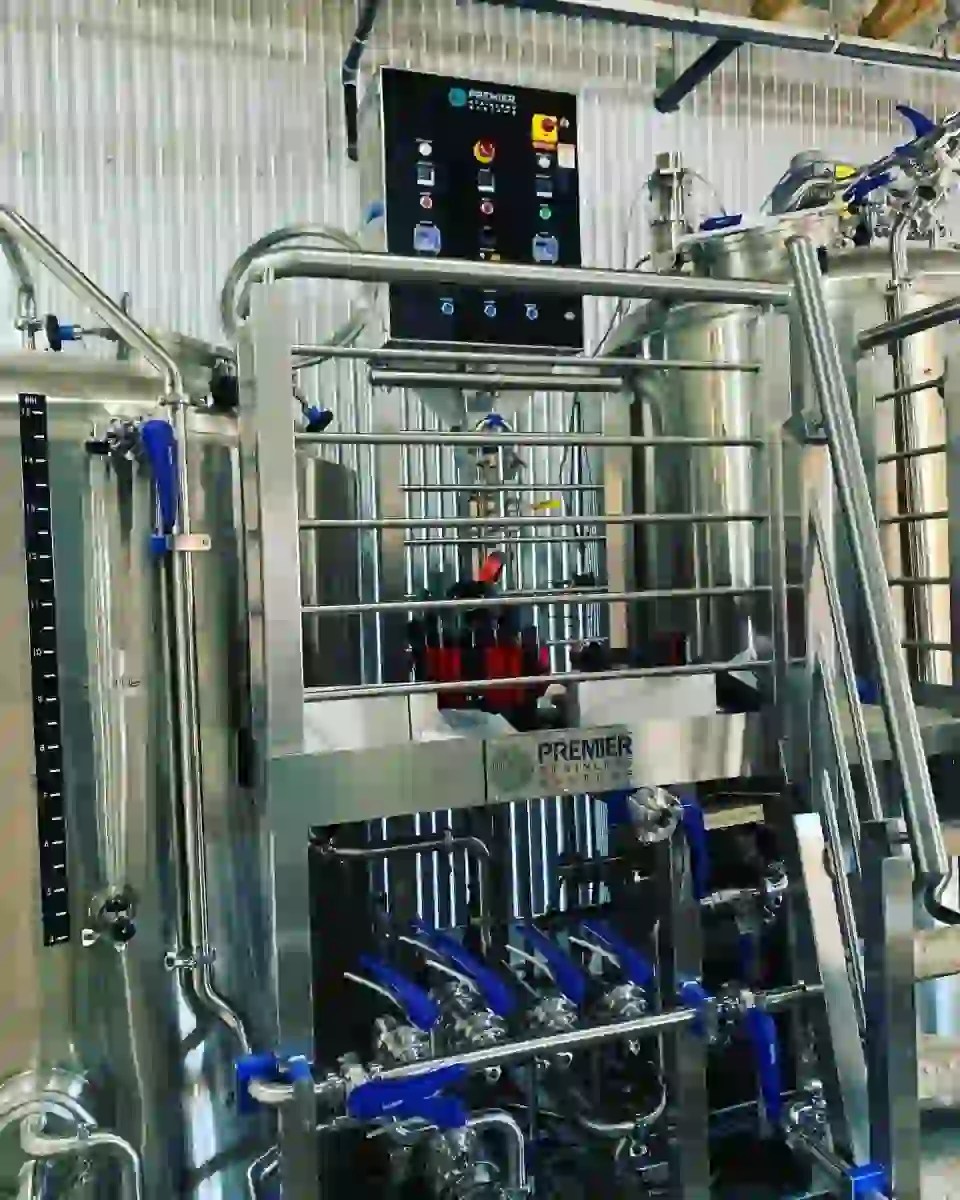
Still size is only one part of the equipment decision. A consultant should review the entire path from raw materials to packaged spirits. The goal is to choose equipment that fits the product model and the operators who will run it.
Production Fit
Batch size, mash schedule, fermentation time, distillation rate, proofing, storage, and packaging should match the sales plan.
Utility Fit
Steam, electric, cooling, water, drainage, and ventilation loads need to be checked before the equipment order is final.
Operator Fit
Valves, controls, cleaning access, bottling flow, and maintenance points should make daily work safer and easier to repeat.
Common Setup Mistakes
The Cost of Out-of-Order Decisions
- Signing a lease before checking utilities, drains, ventilation, and use restrictions
- Buying a still before modeling fermentation, storage, proofing, and bottling capacity
- Forgetting wastewater, chemical storage, floor slope, hose routes, and solids handling
- Separating permit planning from facility and process design
- Underestimating commissioning, staff training, and first-production troubleshooting
- Leaving records, SOPs, and inspection readiness until the end
A distillery setup plan should make the first production run feel prepared, not improvised.
Commissioning Is Part Of Setup
Setup does not end when the equipment is bolted down. The first production runs reveal whether utilities, controls, cleaning, safety procedures, transfer routes, and records are ready for actual work. Commissioning should be planned as a phase with checklists and owner decisions, not treated as a scramble after installation.
| Commissioning Check | What To Verify | Who Needs The Result |
|---|---|---|
| Utility readiness | Steam, electric, water, drains, ventilation, glycol or cooling, compressed air, and emergency shutoffs | Owner, GC, trades, equipment vendor |
| Process readiness | Valves, pumps, hoses, transfer paths, cleaning access, instrumentation, and operating sequence | Production team and consultant |
| Safety readiness | Classified areas, ventilation, signage, PPE, chemical storage, hot surfaces, and emergency response | Owner, operators, safety reviewers |
| Record readiness | Batch logs, inventory, proofing, losses, cleaning, maintenance, and reporting workflow | Operators, management, compliance advisors |
Frequently Asked Questions
When should I bring in a distillery consultant?
Bring in a consultant before finalizing the building, equipment order, process layout, utility design, or launch timeline. That is when technical review can still prevent expensive rework.
Can a consultant help with permits?
A consultant can help coordinate the technical information, drawings, process descriptions, premises layout, records, and operational readiness that support permit work. Formal legal filings and approvals must follow the applicable federal, state, and local requirements.
What should be reviewed before buying equipment?
Review product mix, production volume, fermentation time, still run time, proofing, storage, bottling, utilities, floor space, ventilation, classified areas, drains, wastewater, controls, maintenance access, and operator workflow.
Planning A Distillery Launch Or Expansion?
We’ll design your process and facility, specify and supply your equipment packages (new, used, or refurbished), and build and program your control panels, right down to the technical inputs for your permits, commissioning, and startup. Send us your project details, and a Solon engineer will read them and reply by email, usually within one business day.