

Winery project support means an owner-side engineer from site plan through first crush, with TTB bonded-premises rules handled before they become schedule risk. What does winery consulting support do? At the practical level, it helps owners turn a wine concept, production target, building, cellar plan, equipment list, and launch timeline into decisions that can actually be built and operated.
The work can include facility planning, cellar workflow, equipment selection, process engineering, refrigeration, utilities, sanitation, production records, compliance coordination, and startup support. The right scope depends on the winery’s stage, technical gaps, and risk profile.
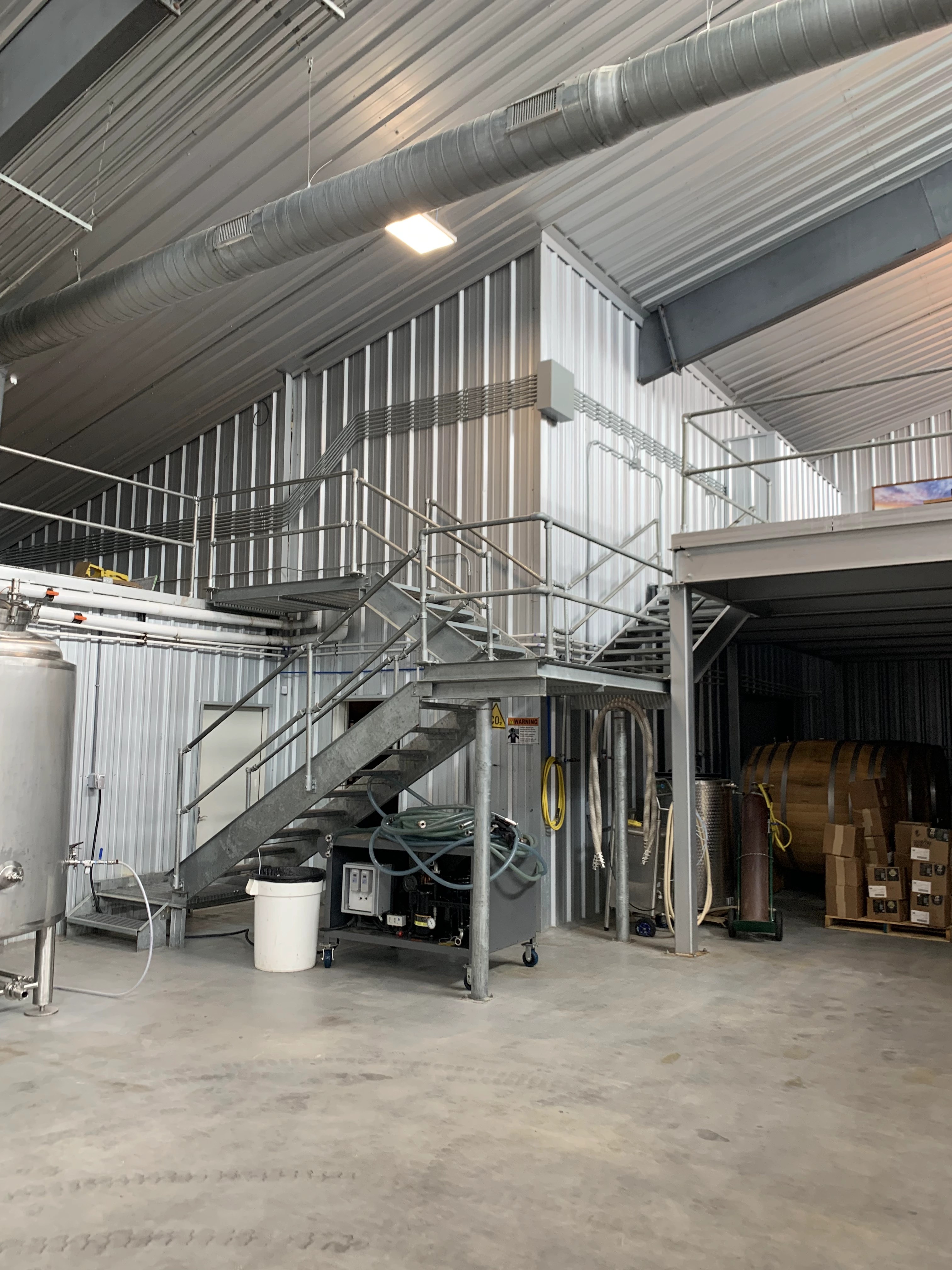
A Winery Consultant Connects Wine Goals To Facility Reality
A cellar plan is not just a list of tanks. It is a sequence of harvest intake, crush, pressing, fermentation, transfers, barrel or tank aging, filtration, bottling, cleaning, and waste handling. Each step affects space, utilities, labor, quality, and future growth.
- Translate production goals into capacity, space, utilities, and workflow
- Review equipment choices against wine style, batch size, labor, and budget
- Identify cellar bottlenecks before layout and piping decisions harden
- Help the owner coordinate vendors, contractors, and startup priorities
Core Winery Consulting Services
The scope should be built around the business and production model. A small estate winery, custom-crush operation, urban tasting-room brand, and expanding production cellar do not need the same support.
Plan
Define production volume, product mix, cellar sequence, utilities, budget, and project milestones.
Equip
Match tanks, presses, pumps, glycol, filtration, bottling, and controls to the actual cellar model.
Verify
Check readiness for harvest, cleaning, temperature control, records, startup, and handoff to operations.
Where A Consultant Adds The Most Value
| Work Area | Consulting Role | Risk Reduced |
|---|---|---|
| Facility layout | Plan receiving, crush, fermentation, barrel or tank storage, bottling, tasting, and service areas | Bad flow, crowded cellar work, awkward drains, unsafe traffic, and future expansion limits |
| Process design | Map transfers, temperature control, sanitation, filtration, product handling, and wastewater paths | Quality drift, product loss, sanitation gaps, and slow production days |
| Equipment selection | Review tank sizes, presses, pumps, hoses, fittings, glycol, bottling, and controls | Overspending, under-capacity, incompatible utilities, and weak vendor fit |
| Startup support | Coordinate commissioning, staff training, punch lists, and first-production readiness | Late surprises, missed utilities, incomplete SOPs, and difficult harvest startup |
A consultant should make the tradeoffs visible. Larger tanks may reduce labor but reduce flexibility. More automation may help consistency but require better instrumentation and staff training. A compact tasting-room site may need tighter production discipline than a rural facility with room to grow.
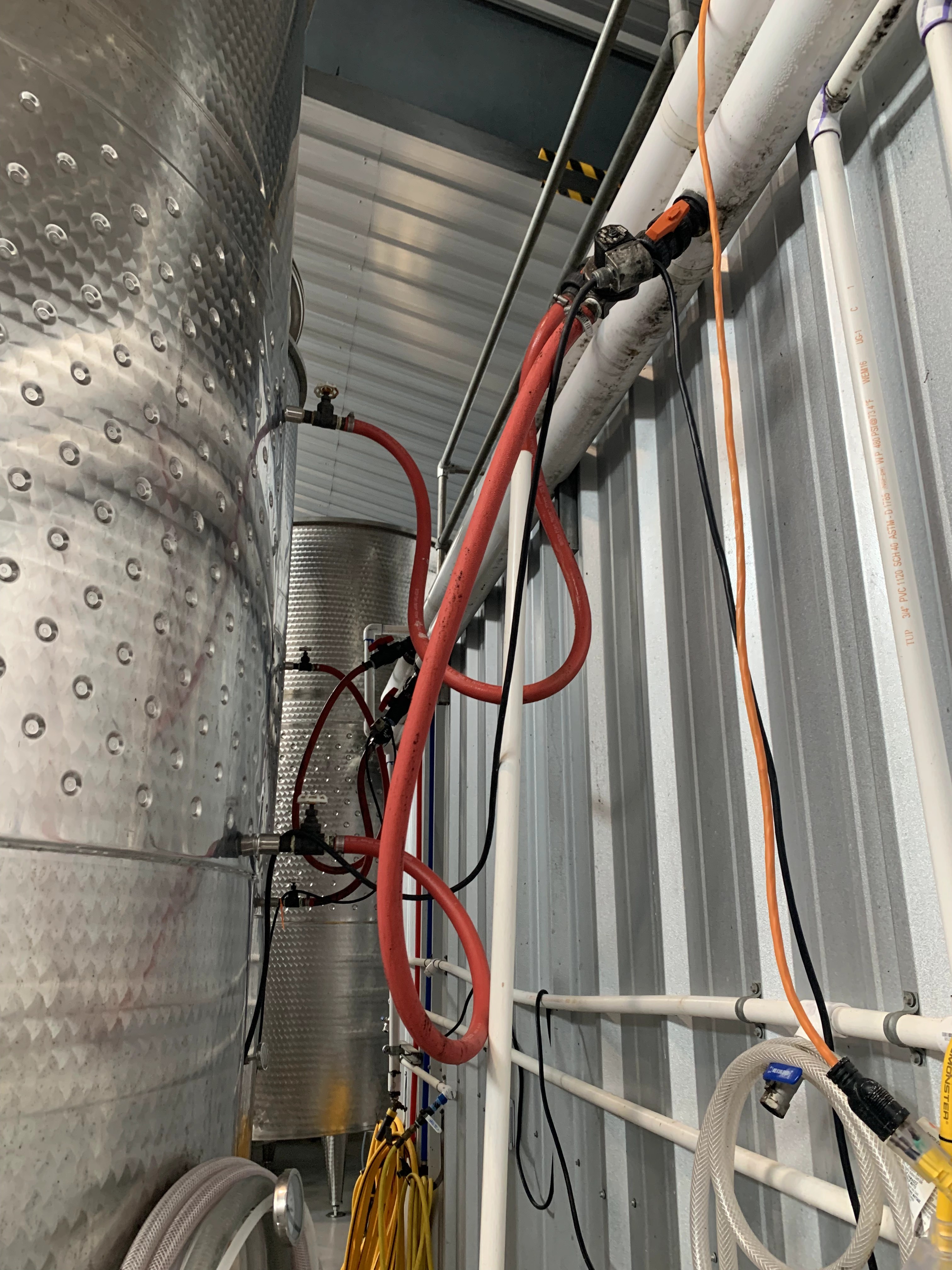
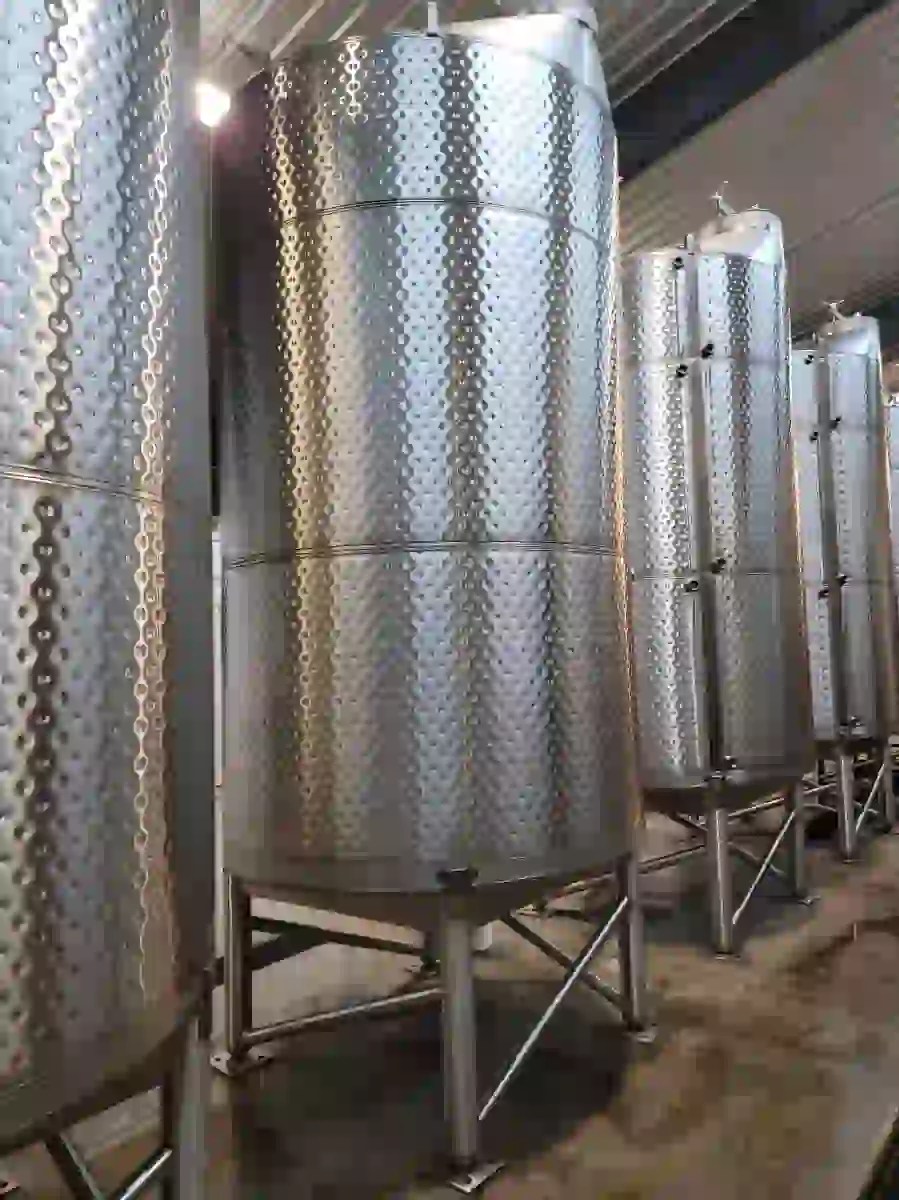

Facility, Utilities, And Cellar Flow
Winery projects often get into trouble when the building and the process are designed as separate conversations. The floor plan may look clean on paper, but the cellar has to move fruit, must, wine, people, chemicals, packaging materials, and wastewater through the same real space.
Crush And Intake
Truck access, fruit staging, sorting, pressing, drains, hose routes, labor flow, and harvest surge all need early review.
Cellar And Aging
Tank geometry, barrel storage, temperature control, transfers, cleaning, and sampling must fit the production calendar.
Bottling And Support
Packaging, dry storage, glass, labels, utilities, wastewater, and staff movement need a realistic operating path.
Equipment Selection Is A Production Decision
Winery equipment should be chosen from the production plan, not from a catalog page. The same tank size, pump style, hose plan, or filtration package can be smart in one cellar and awkward in another. The consultant’s role is to connect equipment choices to labor, wine style, utility demand, cleaning, maintenance, and growth.
| Equipment Area | Questions To Ask | Risk If Ignored |
|---|---|---|
| Tanks and fermentation | What volumes, geometry, jackets, ports, and cleaning access match the wine program? | Lost flexibility, poor temperature control, and difficult transfers |
| Pressing and crush | Can the intake and press plan handle harvest peaks without unsafe staging or quality loss? | Slow crush days, labor overload, and fruit-handling compromises |
| Pumps, hoses, and fittings | Do flow rate, shear, sanitation, hose reach, and operator ergonomics fit the process? | Product damage, slow work, bad hose routing, and sanitation problems |
| Glycol and refrigeration | Are cooling loads, tank jackets, ambient conditions, and future expansion included? | Undersized chilling, unstable fermentation, and expensive retrofit work |
| Filtration and packaging | Does the package support the product mix, volume, clarity goals, and staffing model? | Bottling delays, quality drift, product loss, and weak shelf readiness |
Equipment review also protects the owner’s negotiating position. A clear technical scope makes vendor proposals easier to compare and reduces the chance that a low initial quote becomes expensive through freight, installation, utilities, missing options, and change orders.
What To Prepare Before The First Call
The first winery consulting conversation is more useful when the owner brings facts instead of only aspirations. The consultant does not need a perfect plan, but they do need enough context to identify risk and propose the right scope. Our consulting FAQ lists what to send for that first conversation.
Project Inputs
- Target annual production and first-year ramp
- Wine styles, package formats, and release calendar
- Building drawings, lease constraints, and site photos
Technical Inputs
- Known utilities, floor drains, ceiling heights, and truck access
- Equipment quotes, tank list, and vendor assumptions
- Refrigeration, wastewater, and sanitation concerns
Business Inputs
- Budget range, timing constraints, and lender deadlines
- Owner roles, staff plan, and internal decision process
- Known permits, inspections, and outside advisors
Those inputs help the consultant avoid generic advice. They also reveal where the winery needs a short review, a focused technical package, or deeper project support.
How To Choose The Right Winery Consulting Support
Winery owners should ask for proof that matches the assignment. For a facility project, review project planning, equipment, utilities, and commissioning experience. For a wine-quality project, review process, cellar, sensory, and lab experience. For a business project, review market, portfolio, finance, and operating assumptions.
Selection Checklist
- Can describe similar winery or beverage manufacturing work
- Can review the building, utilities, process, equipment, and operating plan together
- Defines deliverables, assumptions, communication rhythm, and decision authority
- Identifies project risk before quoting a narrow answer
- Can coordinate with vendors, contractors, internal staff, and compliance specialists
- Leaves the team with records, punch lists, and useful next actions
For related selection logic, see the guide to hiring a brewery consultant. The production categories differ, but the same evidence-first hiring discipline applies.
The best winery consultant does not replace ownership judgment. They make the right decisions easier to see.
Frequently Asked Questions
When should a winery hire a consultant?
Hire before committing to a building, equipment package, production volume, cellar layout, or major expansion. For an operating winery, hire when bottlenecks, quality issues, utility limits, labor strain, or capital projects exceed internal bandwidth.
Can a winery consultant help choose equipment?
Yes. A consultant can help compare tanks, presses, pumps, hoses, fittings, filtration, bottling, refrigeration, controls, and utility requirements against production goals, not only purchase price.
Does winery consulting include compliance?
It can include coordination around compliance needs, records, sanitation, safety, labeling workflow, facility requirements, wastewater, and inspection readiness. Legal filings and permit approvals still need the right licensed or responsible parties.
Planning A Winery Project Or Expansion?
Solon Consulting helps wineries and beverage producers connect facility design, process flow, equipment selection, refrigeration, utilities, project management, and startup readiness.