
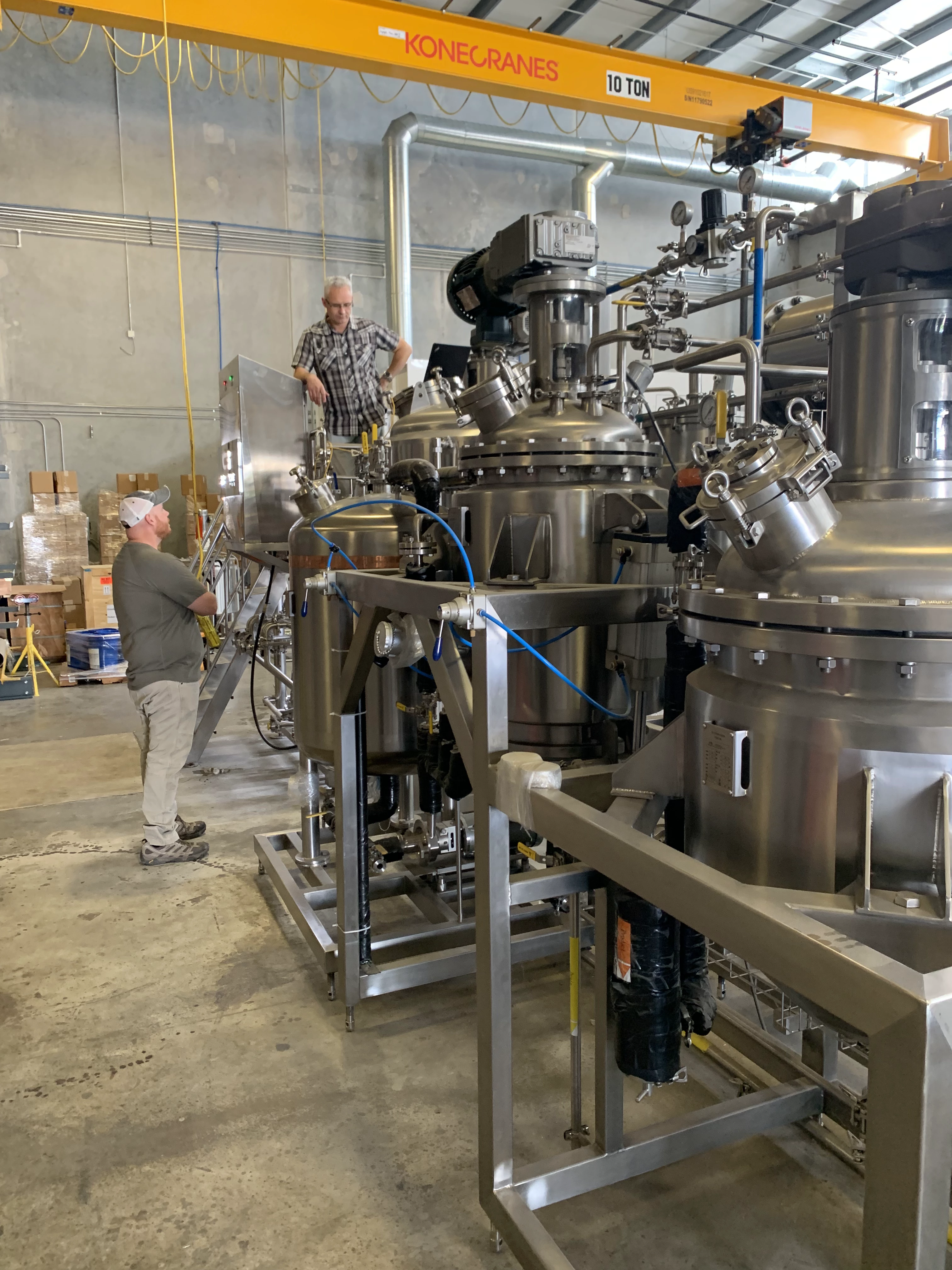
Sanitary process design for food and beverage manufacturing is not just a materials choice. It is the engineering discipline that makes a production system cleanable, inspectable, drainable, maintainable, and defensible under real operating pressure.
The risk usually hides in details that look small on a drawing: a dead leg, an unreachable valve body, a poorly pitched line, a pump that traps product, a utility connection that cannot be sanitized, or a control point that nobody can verify. Those details can turn into contamination risk, failed sanitation, slow changeovers, quality drift, and audit findings.

Sanitary Design Has To Work After Startup
A sanitary system has to support cleaning, production, inspection, maintenance, and recordkeeping over the life of the facility. If those needs are not designed in, the plant pays for them later through manual workarounds, re-cleaning, rework, and avoidable downtime.
- Product-contact surfaces that can be cleaned and maintained
- Piping and tanks that drain and do not trap product
- Valve routing that supports line clearance and CIP coverage
- Access points for inspection, sampling, calibration, and repair
Piping, Tanks, And CIP Are Where Design Quality Shows Up
Sanitary design becomes visible in the field. The right routing and access decisions make production and cleaning predictable. The wrong ones create hidden soil, slow troubleshooting, and repeated corrective action.
Piping And Valves
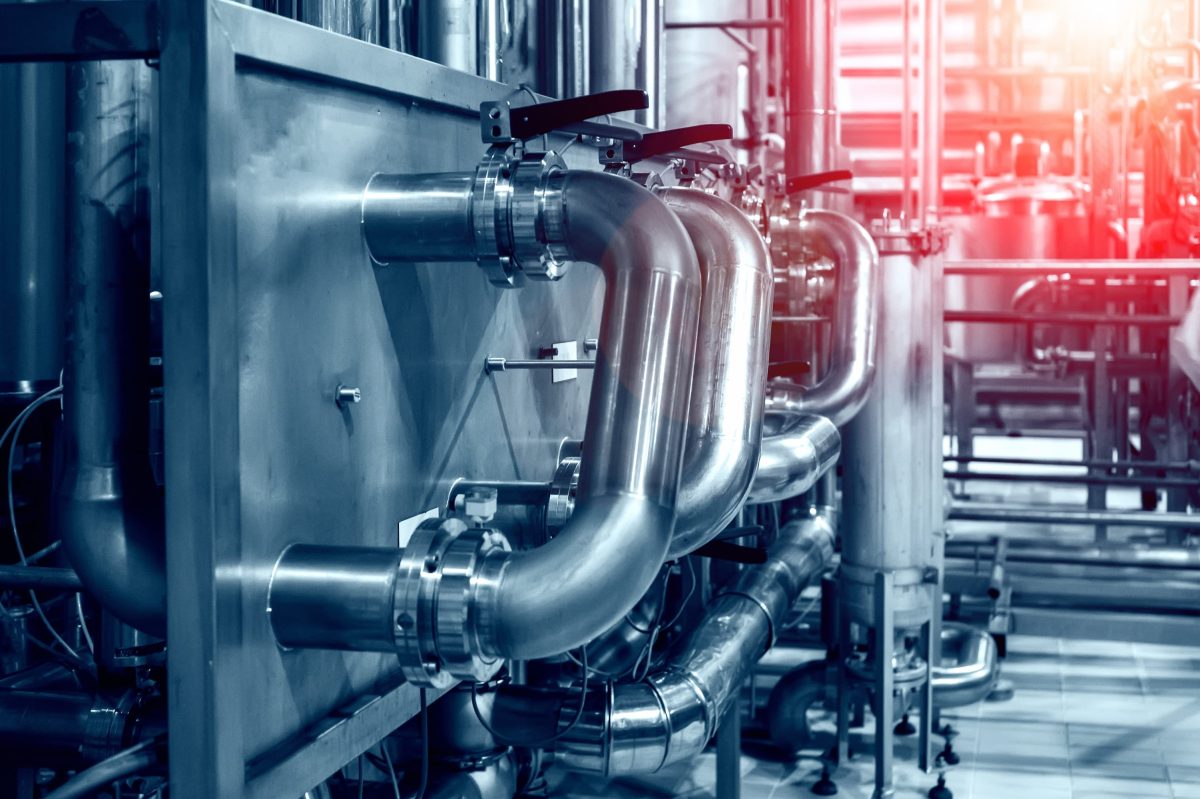
Piping should minimize dead legs, trapped product, hard-to-clean branches, unnecessary hose moves, and unclear product paths. Valve selection should match product, cleaning method, pressure, automation, and maintenance access.
CIP And Cleaning
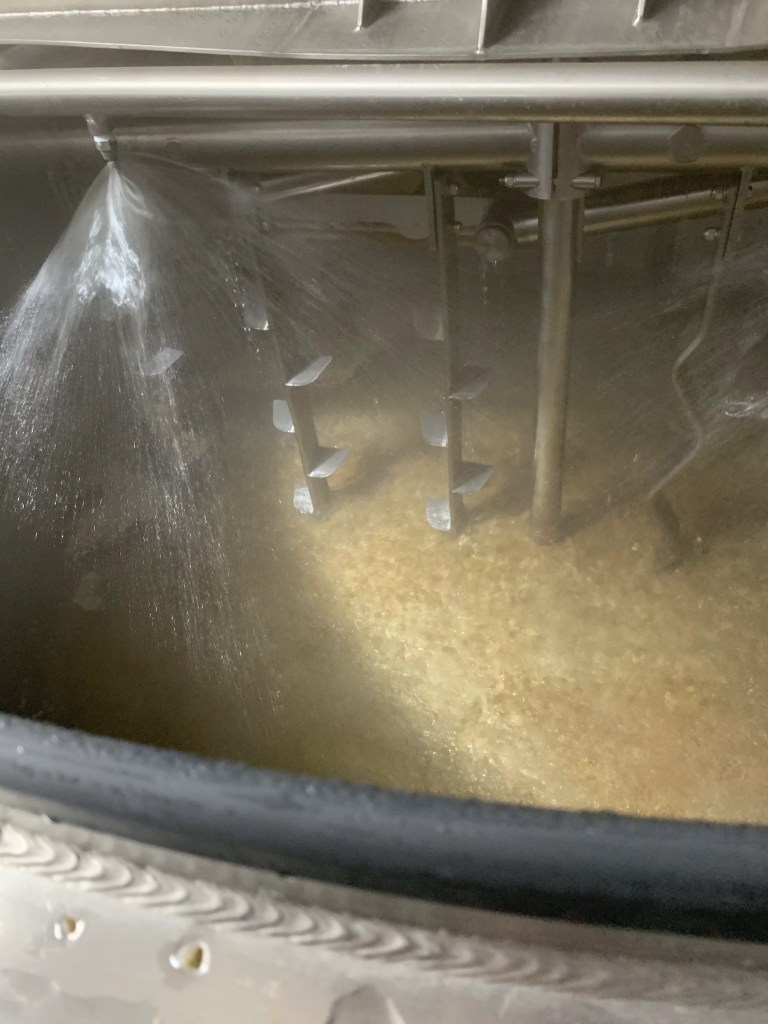
CIP system design has to account for flow velocity, chemical concentration, temperature, contact time, spray coverage, return confirmation, conductivity response, drain behavior, and records. A clean-looking surface is not the same as a validated cleaning process.
The sanitary design question is not, “Can this be cleaned once?” The better question is, “Can this be cleaned, verified, maintained, and repeated on a bad day with real operators and production pressure?”
Common Sanitary Design Defects
| Defect | Why It Matters | What Better Design Looks Like |
|---|---|---|
| Dead legs and low points | Product, rinse water, or chemical remains after transfer or cleaning | Short branches, proper slope, drain points, hygienic routing, and verified line clearance |
| Hard-to-access components | Operators skip inspection or maintenance because access is unsafe or unrealistic | Service clearances, platforms, reachable valves, removable parts, and inspection ports |
| Poor material compatibility | Gaskets, seals, hoses, or instruments degrade under product, temperature, chemical, or cleaning conditions | Material selection tied to product, chemistry, temperature, pressure, and lifecycle requirements |
| Weak records and controls | The plant cannot prove that cleaning or process controls met the required limits | Instrumented control points, alarms, recipes, calibration records, and reviewable data |
Commissioning Has To Prove The Design Works
Sanitary design is not finished when the installation is complete. The design has to be commissioned and challenged so the team knows the system drains, cleans, controls, and records the way the food safety plan expects.
Sanitary Startup Evidence
- Line walkdowns against P&IDs and sanitary design requirements
- Slope, drain, dead-leg, weld, gasket, and surface-finish checks
- CIP flow, temperature, conductivity, and return confirmation
- Spray device coverage and hard-to-clean-area review
- Instrument calibration and alarm verification
- ATP, swab, micro, or allergen verification where appropriate
- Operator training and changeover procedure confirmation
- Deviation, corrective action, and re-cleaning decision rules
This is also where CIP system design, process engineering, and automation consulting need to stay connected. A sanitary design that cannot be operated or verified consistently is not truly sanitary in production.
Frequently Asked Questions
What is sanitary process design?
Sanitary process design is the engineering of food and beverage production systems so product-contact surfaces, utilities, equipment, piping, controls, and procedures can be cleaned, drained, inspected, maintained, and verified.
Does sanitary design only matter for dairy or ready-to-eat foods?
No. Beverage, brewery, winery, distillery, nutraceutical, sauce, coffee, tea, and ingredient facilities all need sanitary design decisions that match their product risk, cleaning method, process controls, and regulatory expectations.
When should sanitary design be reviewed?
Review it during concept, layout, equipment selection, detailed design, fabrication, installation, and commissioning. Waiting until startup usually turns design problems into cleaning failures, change orders, and production delays.
Sanitary Design Before The Change Order
Solon Consulting helps food and beverage manufacturers design process systems that are cleanable, inspectable, drainable, maintainable, and practical for operators. We connect sanitary design, process engineering, CIP, automation, commissioning, and documentation.
Related Reading
- CIP system design for cleaning strategy, validation, and sanitary process support
- Process engineering for hygienic equipment, utilities, and production-system design
- HACCP for beverage manufacturing for hazard analysis and food safety planning
- Food and beverage consulting for facility, process, and quality-system planning
Official References
- 21 CFR 117.40 for food equipment and utensils
- 21 CFR 117.37 for sanitary facilities and controls
- 21 CFR 117.80 for processes and controls
Related Solon Consulting Services
- Beverage manufacturing engineering
- Manufacturing consulting
- Industrial automation consulting
- Facility engineering design
Contact Solon Consulting to review sanitary process design for a food or beverage manufacturing project.
Four Principles That Drive Better Sanitary Systems
Good sanitary design turns broad food safety goals into specific engineering decisions. These four principles should be visible in the drawings, equipment selections, control narrative, commissioning plan, and operating procedures.
01
Cleanability
Surfaces, fittings, seals, and equipment interiors need to be reachable by CIP, COP, manual cleaning, or inspection without relying on guesswork.
02
Drainability
Lines, tanks, valves, pumps, and low points should not hold product, water, chemical, or rinse solution after the intended step is complete.
03
Separation
Raw, cooked, allergen, waste, chemical, and finished-product paths should be separated by layout, procedure, controls, or validated changeover logic.
04
Access
Operators and maintenance teams need access to inspect, sample, clean, calibrate, troubleshoot, and replace parts without creating new contamination risk.
Design Review Test
If the team cannot explain how a surface is cleaned, drained, inspected, and verified, the design is not finished. That question should be asked before purchase orders are released.
Sanitary Design Is A Process System, Not A Checklist
Stainless steel alone does not make a system sanitary. Food and beverage sanitary design depends on geometry, slope, weld quality, surface finish, gasket selection, valve type, pump selection, automation logic, cleaning method, and how operators actually run the plant.
| Design Area | Sanitary Design Question | Risk If Missed |
|---|---|---|
| Product path | Can every product-contact surface be cleaned, drained, inspected, and verified? | Residual soil, biofilm, allergen carryover, or microbial growth |
| Piping geometry | Are slope, dead-leg control, velocity, valve placement, and drainage designed around the actual process? | Trapped product, failed CIP, slow changeovers, and hidden contamination points |
| Utilities | Do water, steam, compressed air, glycol, and gases meet the process and cleaning requirements? | Utility-driven contamination, unstable temperatures, or unverifiable cleaning results |
| Controls and records | Can the plant prove flow, time, temperature, concentration, and sequence completion? | Sanitation records that look complete but do not prove the process worked |
FDA’s cGMP rules make this practical. 21 CFR 117.40 addresses equipment and utensils, including cleanable design, maintenance, food-contact surfaces, controls, and compressed air or gases. 21 CFR 117.37 covers sanitary facilities and controls, while 21 CFR 117.80 covers process controls.
Leave a Reply