
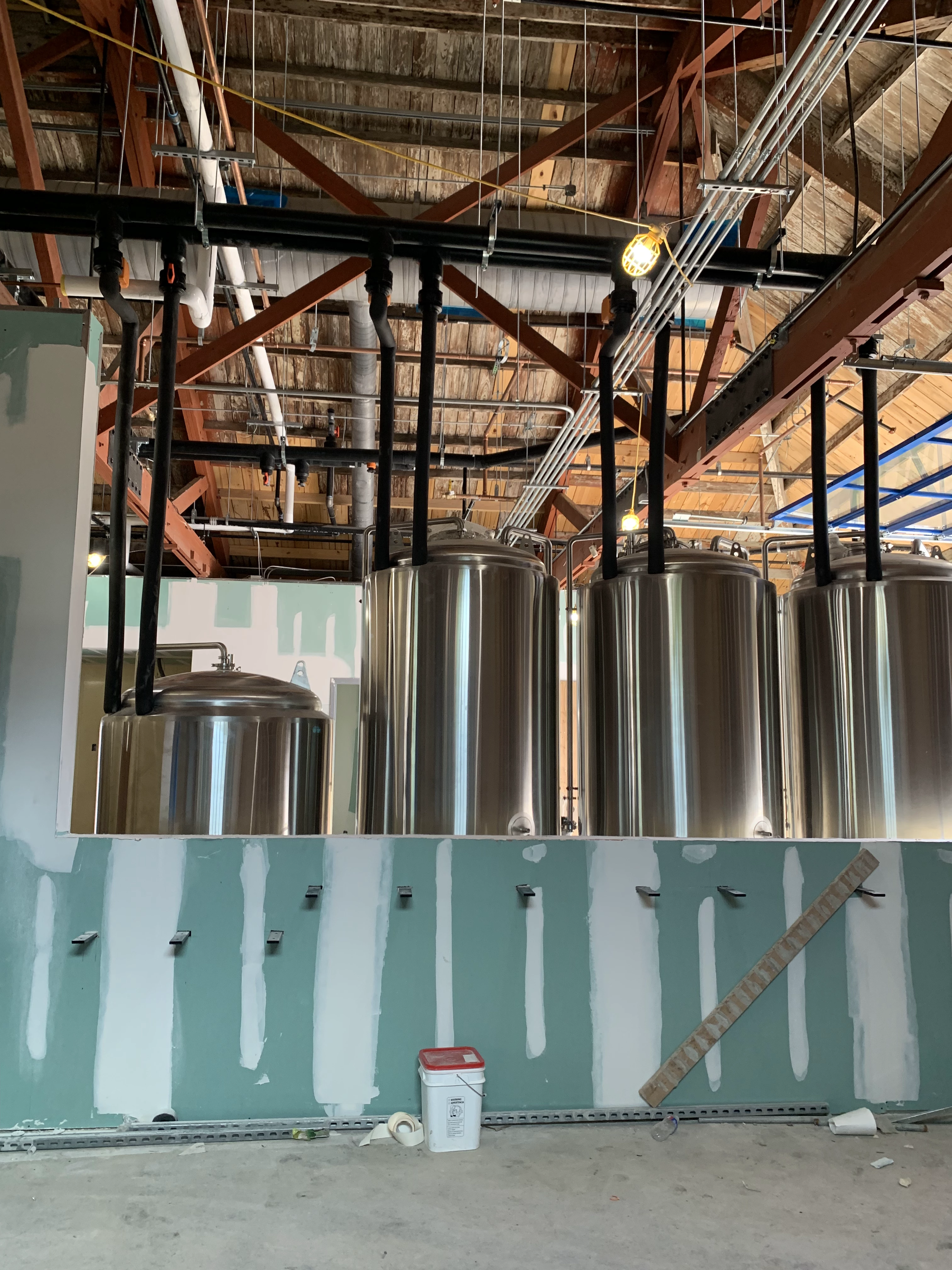
Glycol chilling system design follows the same load math ASHRAE publishes for process cooling, applied to fermentation reality. The system has to remove heat at the right time, protect product quality, maintain tank schedules, support cleaning and utilities, and stay serviceable when the plant is busy.
Glycol Chilling System Design Principles
Undersized systems create slow crash cooling, warm fermentation, packaging delays, compressor stress, and product-risk workarounds. Oversized or poorly controlled systems waste capital, short-cycle equipment, create freeze risks, and still may not deliver flow to the tanks that need it.
Design Around The Peak Load
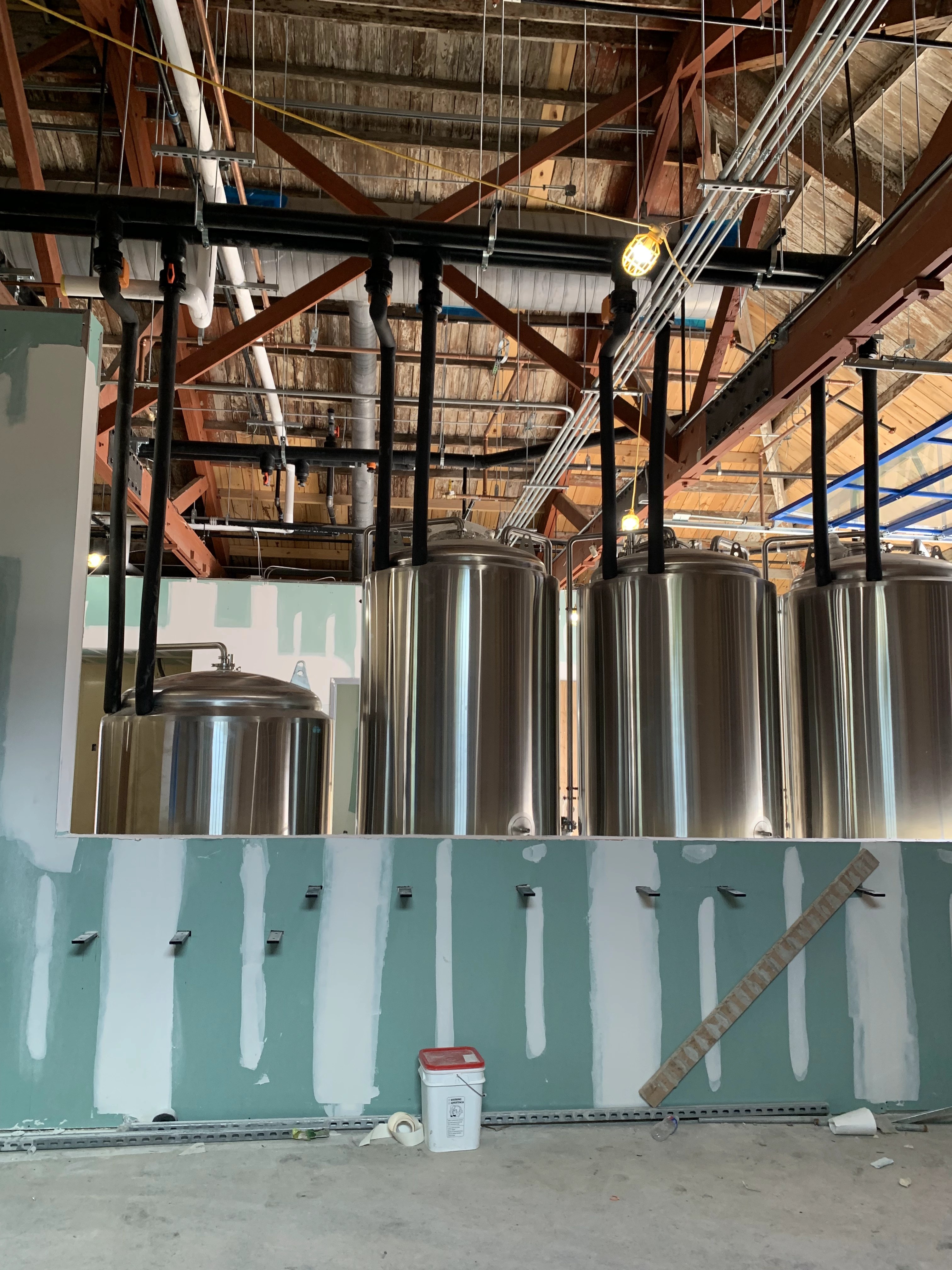
A glycol system should be sized around actual production behavior: fermentation heat, crash cooling, tank holding, packaging demand, ambient load, utility losses, and future expansion. The peak day matters more than the average day.
- Confirm batch size, product temperature, and cooling time
- Separate simultaneous loads from standby loads
- Account for pumps, pipe length, insulation, and valves
- Commission flow and temperature at the farthest users
The Cooling Load Stack
Glycol design starts with a load stack, not with the chiller nameplate. A brewery or beverage plant should identify which loads happen at the same time, which loads can be scheduled, and which loads are critical enough to control with priority logic.
Sizing Equation
Required capacity = crash cooling + fermentation heat + holding load + process/packaging demand + utility losses + future margin
The answer changes when the production schedule changes. That is why load timing and control priority matter.
Crash Cooling
Usually the highest short-duration demand. Tank volume, starting temperature, target temperature, time window, and jacket area drive the requirement.
Fermentation
Lower but persistent load. Yeast activity, setpoint control, heat gain, and tank grouping affect stability and compressor duty.
Utilities
Header losses, long piping runs, insulation gaps, warm rooms, pumps, heat exchangers, and packaging users add real load.
Design Matrix For A Reliable Glycol Loop
| Design Area | Question To Resolve | Failure If Ignored |
|---|---|---|
| Chiller capacity | What is the real coincident peak load, and what can be scheduled? | Slow cooling, short cycling, poor temperature recovery, or overspent capital |
| Glycol concentration | What freeze protection is needed at the operating setpoint and local winter conditions? | Freeze damage, reduced heat transfer, pump strain, or avoidable energy use |
| Distribution piping | Can the farthest and highest-demand users receive the required flow? | Nearby tanks cool while remote tanks starve |
| Buffer volume | Does the system need thermal mass to reduce cycling and absorb short spikes? | Compressor stress, unstable supply temperature, or uneven recovery |
| Controls | How are tank calls, pump staging, chiller staging, alarms, and priority loads handled? | Conflicting calls, nuisance alarms, warm product, or manual workarounds |
| Insulation | Are vapor barriers, valves, supports, and exposed fittings protected from condensation? | Sweating, heat gain, corrosion, wet floors, and energy waste |
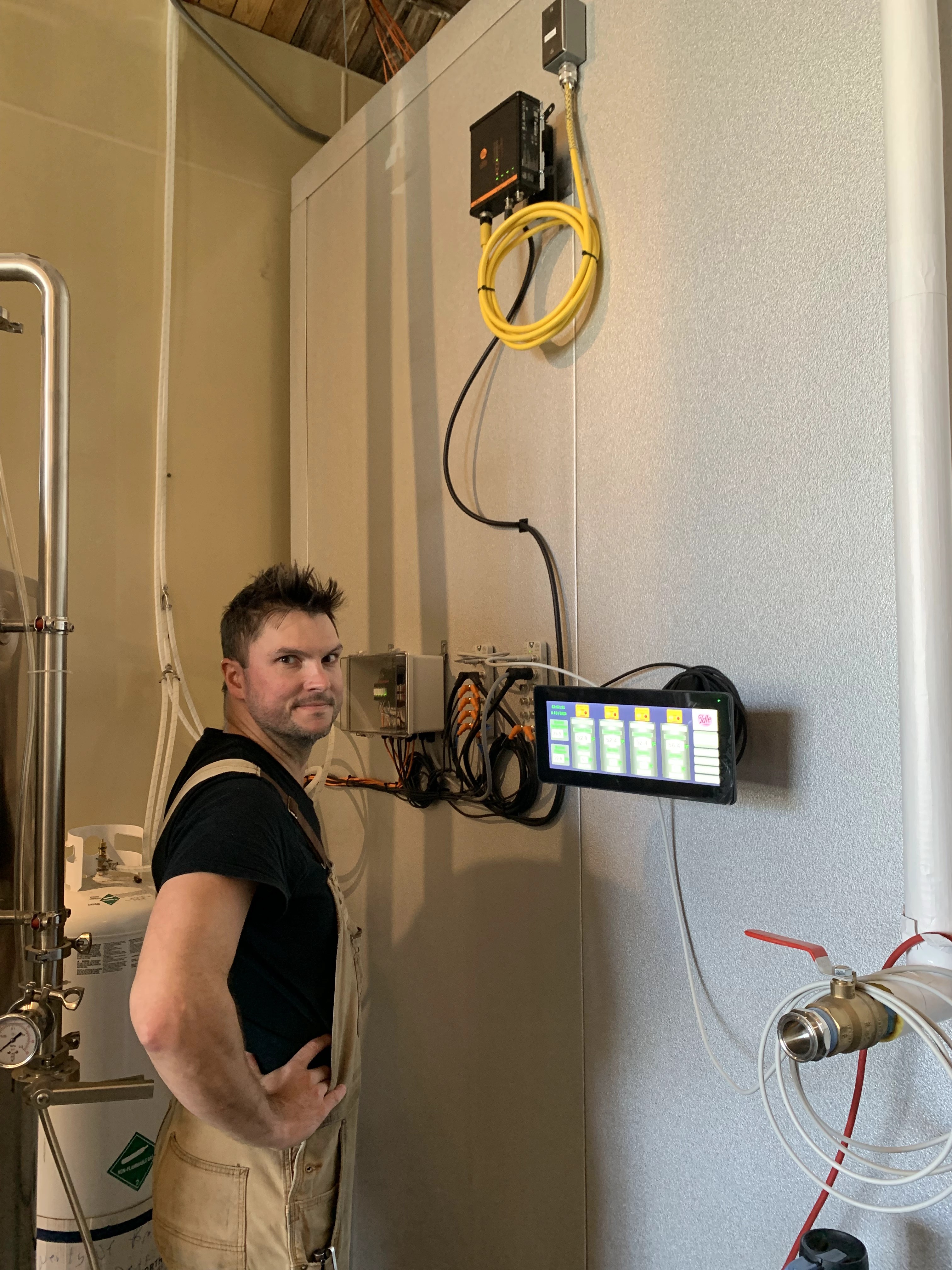
Commissioning And Flow Balancing
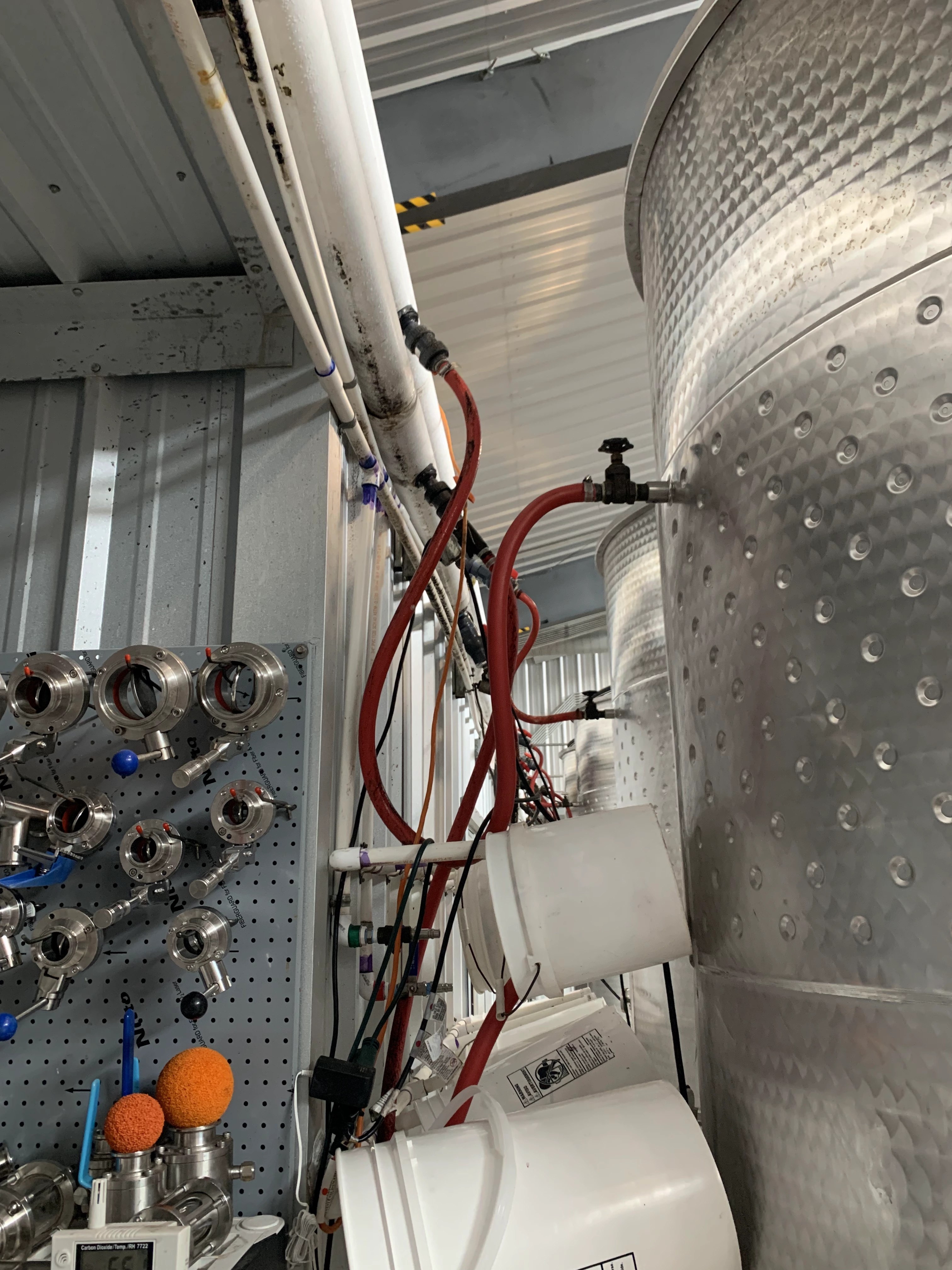
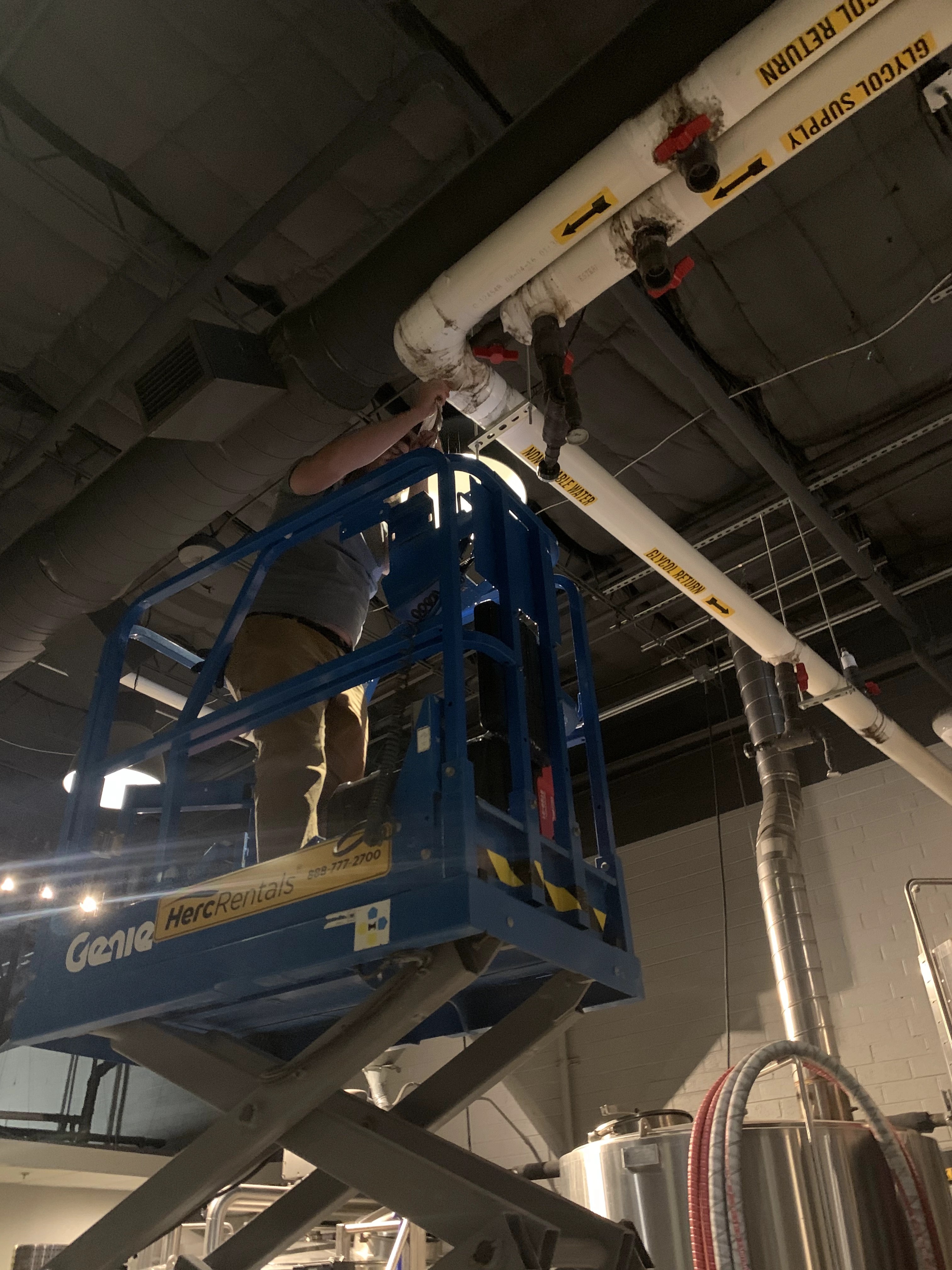
Commissioning should prove more than chiller startup. The team should verify supply and return temperatures, pump rotation, differential pressure, valve operation, tank call logic, insulation completion, glycol concentration, strainer cleanliness, alarms, and flow at representative users.
Balancing matters because a glycol loop is a network. A short run near the mechanical room can steal flow from a remote tank unless valves, pipe sizes, pump curves, and control logic are coordinated. Operators should know which loads have priority during peak demand and what alarm means action is required.
Expansion And Installation Readiness
A glycol system should be built for the next production step, not only the first tanks in the room. That does not always mean buying the largest possible chiller. It may mean sizing headers for future tanks, leaving valved and capped branches, planning pump space, reserving electrical capacity, and designing a controls architecture that can accept more zones without rewiring the plant.
Confirm future tank count, branch spacing, isolation valves, and pressure loss before the first installation locks in the room.
Leave room for pump service, filter cleaning, glycol fill, air removal, chiller maintenance, and future piping work.
Plan how additional tank calls, alarms, temperature sensors, and priority rules will be added without losing visibility.
The installation package should give contractors enough detail to price the same system: pipe material, insulation type, vapor barrier expectations, valve schedule, pump basis, control points, electrical needs, chiller placement, condensate management, and startup responsibilities.
| Commissioning Check | Acceptance Evidence | Owner Benefit |
|---|---|---|
| Peak-load simulation | Multiple tank calls tested with supply temperature and return temperature trended | Shows whether the system can support production scheduling |
| Glycol concentration | Documented freeze protection, concentration test, and owner setpoint | Protects equipment while avoiding unnecessary viscosity and pump load |
| Remote-user flow | Verified at farthest tank or highest pressure-drop branch | Prevents hidden under-delivery after startup |
| Alarm and control review | Chiller, pump, temperature, low-flow, and tank-call alarms challenged | Turns failures into operator action instead of warm product |
Design Risks To Catch Early
- Crash cooling calculated without considering simultaneous fermentation calls
- Pumps selected from total flow without checking branch pressure losses
- Undocumented glycol concentration or freeze-point assumption
- Insulation breaks at valves, hangers, flanges, and outdoor transitions
- No buffer or staging logic for short, high-load events
- Expansion plans that require rebuilding the header later
Frequently Asked Questions
How should a brewery glycol chiller be sized?
Start with the production schedule, tank sizes, target cooling times, fermentation heat, holding load, process loads, piping losses, and future expansion. Then separate simultaneous loads from loads that can be scheduled.
What glycol concentration should a beverage plant use?
The concentration should match the required freeze protection, setpoint, equipment limits, pump capacity, local conditions, and manufacturer guidance. More glycol is not automatically better because viscosity and heat-transfer performance change.
Why do some tanks cool slowly even when the chiller is large enough?
The cause is often distribution, not chiller capacity. Pipe size, branch length, valve position, pump curve, strainer condition, jacket design, air in the loop, or control logic can limit flow to a specific tank.
When should a glycol system be recommissioned?
Recommission after adding tanks, moving equipment, changing setpoints, replacing pumps, changing glycol concentration, adding packaging loads, or seeing repeated warm-product or slow-cooling complaints.
Need A Glycol System Designed Around Production?
Solon Consulting helps breweries, wineries, distilleries, and beverage plants size, route, control, and commission glycol chilling systems.
Related Reading And Services
Run your own numbers first: the free glycol calculator applies this sizing method to your tank list and setpoints.